dgmads
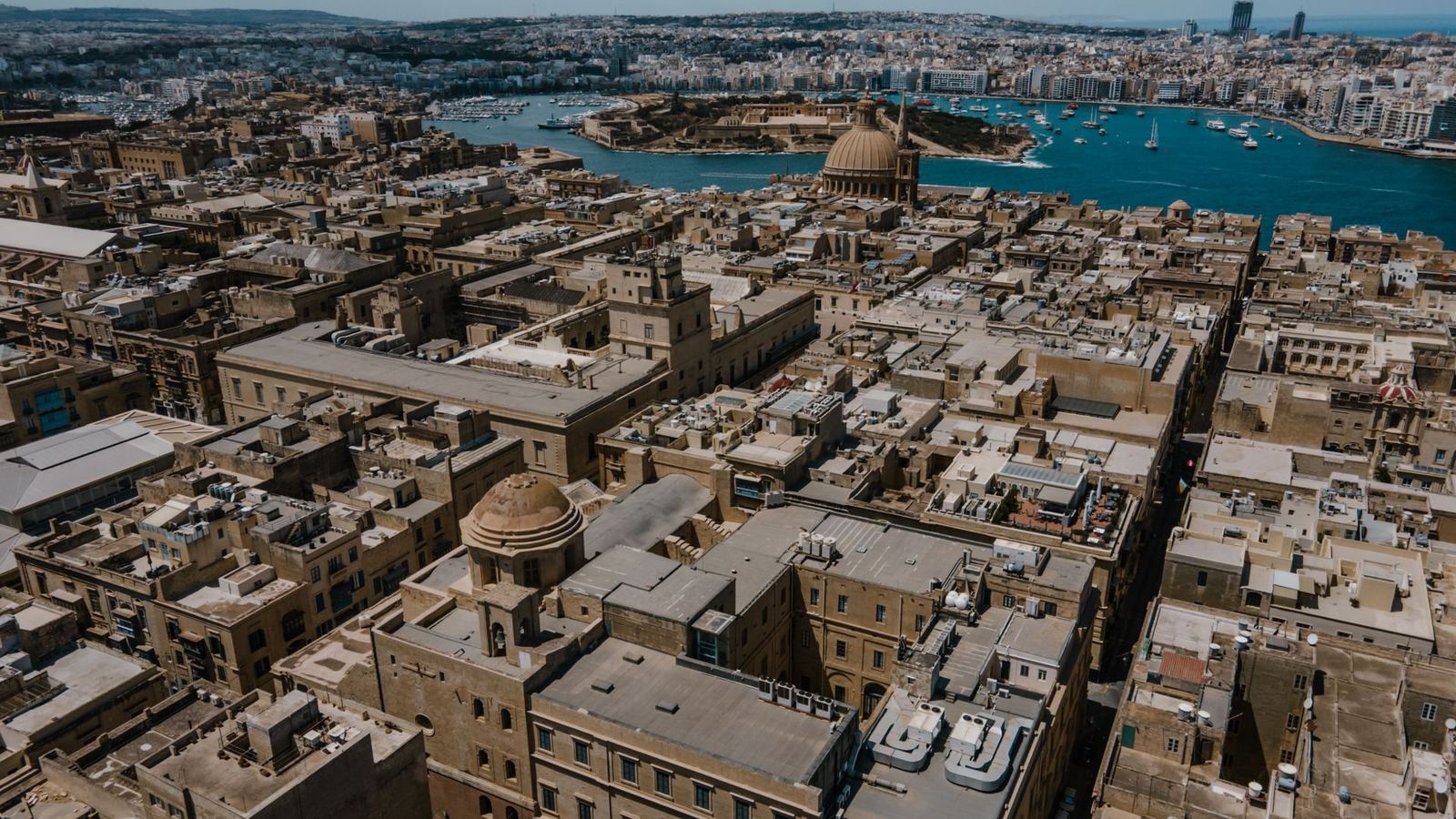
Aerial view of Valletta and its harbour, Malta
Coming next

Malta for digital nomads, remote workers and students

Malta is a small island nation of about 550,000 people in the middle of the Mediterranean, and for remote work it behaves like one city: Valletta, Sliema, St Julian's, Gżira and Msida sit along the same harbour and run into each other. English is an official language alongside Maltese, which removes the usual friction of settling in, and the iGaming, fintech and software companies based here have built an international workforce and the coworking scene to serve it.

Live

Events in Malta

No public event is scheduled right now. Communities in Malta publish their meetups, coworking days and trips on dgmads: check back soon.

Organising something in Malta? Send us your events at info@dgmads.com or on Instagram @dgmads_official and we will publish them.

info@dgmads.comInstagram @dgmads_official

Community

Communities in Malta on dgmads

Besides dgmads, no community in Malta has a dgmads page yet. Running one? With the dgmads Community plan you get a public events page with sign-ups.

Open your community page

About the city

Malta in 30 seconds

  • An English-speaking EU country with sunshine most of the year and the sea always close by.
  • Remote workers cluster along the Sliema–St Julian's seafront; Gżira and Msida are cheaper and closer to the university.
  • Non-EU remote workers can apply for the Nomad Residence Permit, run by Residency Malta.
  • Rent is the big expense; buses and ferries cover both islands without a car.
  • dgmads maps Malta after Italy and Lithuania; Beta sign-ups are open now.
ClimateMild winters, hot dry summers
Cost of livingModerate to high; rent is key
InternetFast fibre widely available
AirportMLA, direct flights across Europe
LanguageEnglish and Maltese, both official
VisaNomad Residence Permit (non-EU)

Where to work

Remote work in Malta

Malta is a small island nation of about 550,000 people in the middle of the Mediterranean, and for remote work it behaves like one city: Valletta, Sliema, St Julian's, Gżira and Msida sit along the same harbour and run into each other. English is an official language alongside Maltese, which removes the usual friction of settling in, and the iGaming, fintech and software companies based here have built an international workforce and the coworking scene to serve it.

The sun is the obvious draw, with mild winters and hot, dry summers, and the sea is never more than a short walk away. Costs are moderate to high for the region: rent in Sliema and St Julian's has risen sharply, while food and transport remain reasonable. Internet is fast, with fibre widely available. Malta International Airport (MLA) has direct flights across Europe, and ferries connect to Sicily in a couple of hours.

Most remote work in Malta happens along the Sliema–St Julian's seafront, where cafés with sea views and reliable Wi-Fi line the promenade and most coworking spaces are concentrated, especially around St Julian's and the business district of the same area. Gżira and Msida, between Sliema and the university, are cheaper and more local, with student cafés and a few coworking options. Valletta, the capital, offers quieter cafés in baroque streets and the National Library for those who want silence. dgmads has not mapped Malta yet; the island comes after Italy and Lithuania, so no venues are listed here for now.

Coworking spaces in Malta

Coworking spaces are concentrated in St Julian's, Sliema and the office districts around them, serving the iGaming and tech crowd, usually with hot desks, day passes and meeting rooms. A few smaller ones sit in Gżira, Msida and Valletta. dgmads will list those that genuinely suit remote workers once Malta is mapped.

Laptop-friendly cafés in Malta

The Sliema and St Julian's promenades are lined with cafés where a laptop and a sea view are perfectly normal; Valletta's side streets are quieter. Air conditioning matters in summer and terraces get windy in winter. Ask for the Wi-Fi password when you order, and keep ordering.

Libraries and quiet places in Malta

The National Library of Malta on Republic Square in Valletta is mainly for research, in a historic reading room. The Central Public Library in Floriana and the local branches around the islands are easier for everyday quiet work, while the University of Malta library in Msida serves students and staff.

Neighbourhoods

Where to stay in Malta as a remote worker

1

Valletta

The fortified capital: baroque streets, theatres, government offices and harbour views. Quieter at night than the seafront towns, with steep streets and fewer large flats.

2

Sliema

A dense seafront town with a long promenade, shops and ferries to Valletta. Popular with nomads for its cafés and walkability, and rents reflect that.

3

St Julian's

Around Spinola Bay and Paceville: the nightlife and business hub, with hotels, offices and many coworking spaces. Lively, sometimes too lively for light sleepers.

4

Gżira

Facing Manoel Island between Sliema and Msida: more local, a little cheaper, and a short walk to both the promenade and the university.

5

Msida

Home to the University of Malta and a yacht marina. Practical for students and anyone who prefers lower rents to a sea-view balcony.

6

Gozo

The sister island, a short ferry ride away: greener, slower and quieter, with Victoria as its main town. Suits focused work more than nightlife.

Community

Digital nomads in Malta

Malta's international community is large relative to the island's size, fed by iGaming and tech employees, Erasmus students, retirees and a growing number of remote workers on the Nomad Residence Permit. Meetups, beach and boat socials, language exchanges and sports groups run year-round, mostly around Sliema and St Julian's. When dgmads reaches Malta, local communities will be able to publish their events on the platform and members will see who is working nearby.

Expats

Expats in Malta

Malta's foreign community is large for such a small country: iGaming and fintech staff, Erasmus students, retirees and a growing number of Nomad Residence Permit holders. English as an official language makes paperwork and daily life simpler than in most of southern Europe. EU citizens staying longer apply for a residence document, while non-EU nationals need a permit. Meetups, sports clubs and beach socials are easy to find, and when dgmads reaches Malta, communities will be able to publish their events here.

Students

Students in Malta

The University of Malta, with its main campus in Msida and a smaller one in Valletta, is the country's only public university and teaches almost entirely in English, which makes it a popular Erasmus destination and a draw for international students in medicine, law, engineering and the humanities. MCAST in Paola covers vocational and applied degrees. Students live in Msida, Gżira and Sliema within walking distance of campus and use the university library and the National Library in Valletta.

FAQ

Malta for remote workers: questions

Is Malta good for digital nomads?

Yes, for people who want English, sun and the sea in an EU country with fast internet and an established international scene. The limits are the island's size, heavy traffic and buses as the only public transport, and rising rents in the popular seafront towns. Many nomads stay a few months rather than years.

Where can I work from in Malta?

Seafront cafés and coworking spaces in Sliema and St Julian's, more local spots in Gżira and Msida near the university, and quiet cafés or the National Library in Valletta. dgmads will map the venues that genuinely suit laptop work once it reaches Malta, after Italy and Lithuania.

Do I need a visa to work remotely from Malta?

EU and EEA citizens can live and work in Malta without a visa. Non-EU remote workers employed or self-employed abroad can apply for Malta's Nomad Residence Permit, run by Residency Malta, which grants a renewable residence period; income and insurance requirements apply, so check the official conditions before applying.

How expensive is Malta for remote workers?

Moderate to high. Rent is the main cost and has climbed fast in Sliema, St Julian's and Valletta; Gżira, Msida and towns further from the seafront are cheaper. Eating out, groceries and the bus network are reasonable, and there is no need for a car if you stay in the harbour area.

How do I get around Malta without a car?

Public buses cover Malta and Gozo, including routes from the airport. Ferries link Sliema and the Three Cities with Valletta, and Gozo is a short ferry ride from Ċirkewwa or a fast ferry from Valletta. Traffic drives on the left, and roads get congested at rush hour.

Is Gozo a good place for remote work?

For peace and quiet, yes: Gozo is greener and slower than Malta, with farmhouses, sea views and lighter traffic. The international crowd and the choice of workspaces are smaller. Ferries from Mġarr to Ċirkewwa, plus the fast ferry to Valletta, keep the main island within easy reach.

How do I get a local SIM and internet in Malta?

Fibre and cable broadband are widely available, and mobile coverage is good across both islands. The main operators, GO, Epic and Melita, sell prepaid SIM cards in their shops; bring a passport or ID card. Remember that Malta uses UK-style three-pin plugs.

When is a good time to come to Malta?

Spring and autumn bring warm days and, roughly from May to October, a sea warm enough to swim, without peak-summer heat and crowds. Winter is mild but can be windy and damp, and many homes have no central heating. July and August are hot and busy.

Work from Malta with dgmads

Malta comes right after Italy and Lithuania. Join the Beta and we will tell you when it opens.

Join the beta

More cities in Malta

dgmads is for

Get the dgmads app to find nomads, places and events near you.

© 2026 dgmads · All rights reserved

Share