dgmads
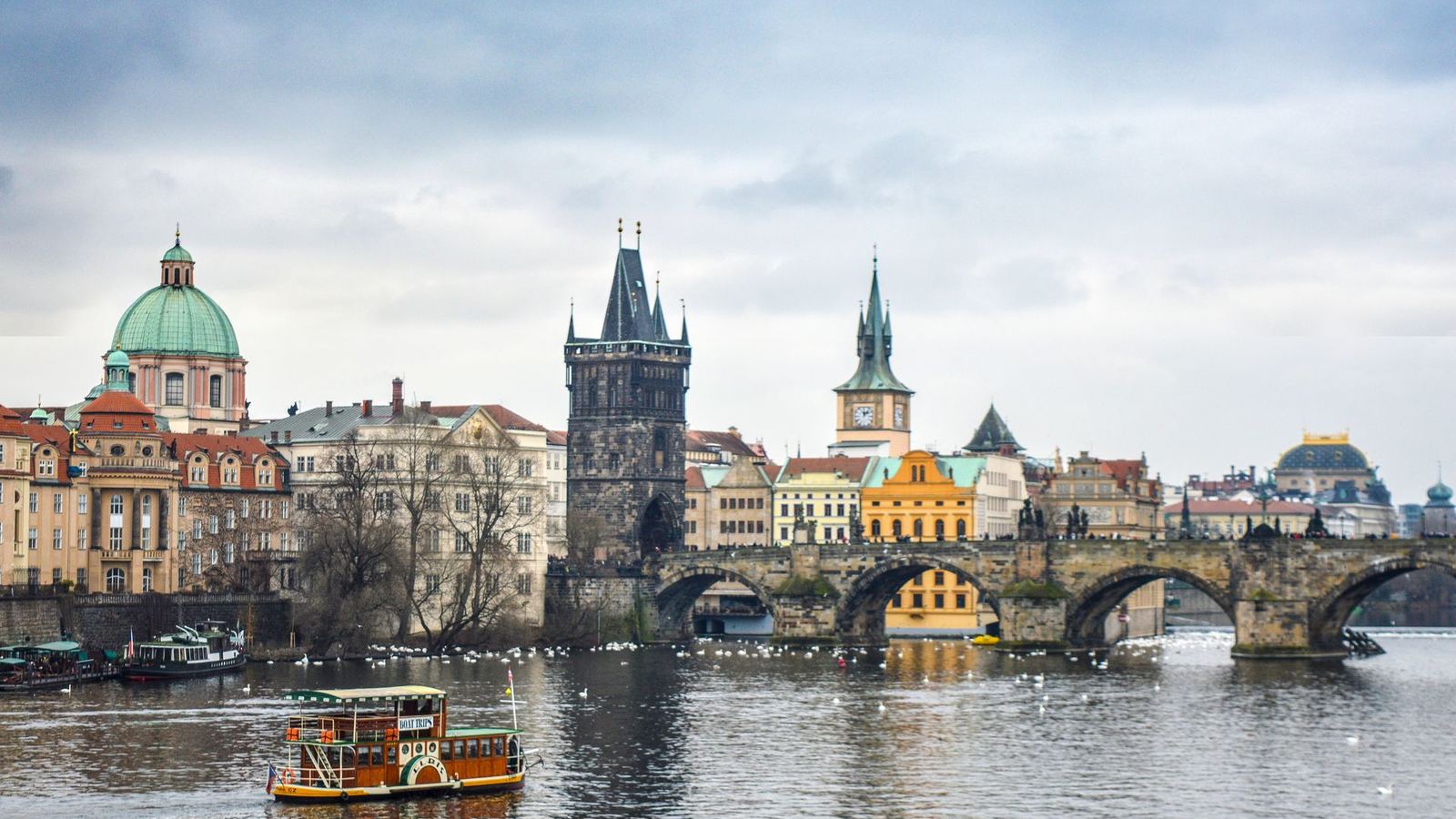
Charles Bridge and the Vltava river in Prague
Coming next

Prague for digital nomads, remote workers and students

Prague has been a digital nomad destination for well over a decade, and the reasons still hold: a capital of about 1.3 million with a dense, walkable centre, cheap and frequent public transport, fast internet and a large English-speaking expat scene layered over a city that remains Czech in its daily rhythm. Costs are the highest in the country, yet still moderate next to Western European capitals, with rent the item that has climbed most in recent years.

Live

Events in Prague

No public event is scheduled right now. Communities in Prague publish their meetups, coworking days and trips on dgmads: check back soon.

Organising something in Prague? Send us your events at info@dgmads.com or on Instagram @dgmads_official and we will publish them.

info@dgmads.comInstagram @dgmads_official

Community

Communities in Prague on dgmads

Besides dgmads, no community in Prague has a dgmads page yet. Running one? With the dgmads Community plan you get a public events page with sign-ups.

Open your community page

About the city

Prague in 30 seconds

  • EU and Schengen, but the currency is the Czech koruna; cards are accepted almost everywhere.
  • Work from cafés in Vinohrady, coworkings in Karlín or the city's public and technical libraries.
  • Live in Vinohrady or Letná for cafés and parks, Karlín for a modern feel, Žižkov for lower rents.
  • Metro, trams and buses on one ticket system; PRG airport links by bus to metro line A and the main station.
  • A large English-speaking expat scene; dgmads arrives after Italy, Lithuania and the Netherlands.
ClimateCold grey winters, warm summers
Cost of livingModerate; the highest in Czechia
InternetFast fixed lines, 4G / 5G
AirportPRG, buses to metro and trains
TransportMetro, trams and night lines
LanguageCzech; English common centrally

Where to work

Remote work in Prague

Prague has been a digital nomad destination for well over a decade, and the reasons still hold: a capital of about 1.3 million with a dense, walkable centre, cheap and frequent public transport, fast internet and a large English-speaking expat scene layered over a city that remains Czech in its daily rhythm. Costs are the highest in the country, yet still moderate next to Western European capitals, with rent the item that has climbed most in recent years.

The city is well connected: Václav Havel Airport (PRG) has direct flights across Europe and beyond, and trains reach Vienna, Berlin, Dresden and Bratislava in a few hours. The climate is continental, with cold, grey winters, short springs and warm summers that fill the river banks and beer gardens. The currency is the Czech koruna (CZK), not the euro, though cards are accepted almost everywhere and the time zone is CET/CEST.

Remote workers in Prague mostly settle outside the tourist core. Vinohrady, east of the centre, is the classic choice: tree-lined streets, specialty coffee on every corner and cafés that tolerate a laptop for hours. Karlín, rebuilt after the 2002 floods, is now the city's startup district with modern coworking spaces and lunch spots. Holešovice, across the river, is more industrial and creative, with galleries and converted halls, while Smíchov has riverside cafés and a big station. The Municipal Library on Mariánské náměstí is a quiet free fallback. dgmads has not mapped Prague yet: it comes after Italy, Lithuania and the Netherlands.

Coworking spaces in Prague

Coworkings are concentrated in Karlín, Vinohrady, Holešovice and the New Town, from small community spaces to large flexible offices. Most sell day passes and monthly desks, and many host talks and startup events in the evening. Ask about phone booths and weekend access before you commit.

Laptop-friendly cafés in Prague

Vinohrady, Letná and Karlín are full of specialty coffee shops where an open laptop is a normal sight, especially on weekday mornings. Around the Old Town and Malá Strana, cafés are crowded with visitors and less suited to long sessions. Order something every couple of hours and keep calls short.

Libraries and quiet places in Prague

The Municipal Library of Prague on Mariánské náměstí has quiet reading rooms and branches across the city. The National Technical Library in Dejvice, next to the CTU campus, is a favourite of students with its open-plan study floors; the National Library at the Klementinum is more formal. Check registration rules before you go.

Neighbourhoods

Where to stay in Prague as a remote worker

1

Vinohrady

Art Nouveau blocks around Náměstí Míru and Riegrovy sady, with a café on almost every street. The classic expat base: lively but residential.

2

Karlín

Rebuilt after the 2002 floods, now offices, coworkings and brunch spots along Křižíkova. Modern flats, a few tram stops from the centre.

3

Holešovice

A former industrial district in a bend of the Vltava, with the DOX art centre and the Prague Market halls. Creative and still changing.

4

Letná

On the plateau above the river, with Letná Park and its views over the Old Town. Calm streets and neighbourhood cafés.

5

Žižkov

Hilly, dense and famous for its pubs, under the TV Tower. Cheaper than Vinohrady next door; suits students and tighter budgets.

6

Smíchov

South-west of the centre across the river: a major station, a shopping centre and riverside cafés. Practical and well connected.

Community

Digital nomads in Prague

Prague's expat community is one of the largest in Central Europe, with English-language meetups, startup and crypto events, hiking and running groups, pub quizzes and language exchanges happening most nights of the week, many of them in Vinohrady and Karlín. Finding other remote workers is not the problem; finding the right ones is. When dgmads reaches Prague, local communities will be able to publish their events on the platform and members will see who works nearby.

Expats

Expats in Prague

Prague has the largest international population in the Czech Republic: tech and startup staff, people at multinational service centres, students on English-taught degrees, a sizeable Ukrainian community and many long-term freelancers. EU citizens can live and work freely and may request a certificate of temporary residence from the Ministry of the Interior; non-EU citizens need a long-term visa or residence permit. When dgmads reaches Prague, expat groups will be able to publish their hikes, quizzes and language exchanges there.

Students

Students in Prague

Charles University, founded in 1348, is the oldest in Central Europe and spreads its faculties across the centre, Albertov and Jinonice; the Czech Technical University (CTU) has its main campus in Dejvice, and the Prague University of Economics and Business sits in Žižkov. All three teach degrees in English and host large Erasmus cohorts. Students live in Dejvice, Žižkov, Vinohrady and the dormitory districts, and study in faculty libraries, the National Library at the Klementinum and the Municipal Library.

FAQ

Prague for remote workers: questions

Is Prague good for digital nomads?

Yes, and it has been for years. Fast internet, cheap public transport, a walkable centre, a huge expat network and costs that remain moderate compared with Western Europe. The downsides are rising rents, cold winters and the tourist crowds in the old town, which locals and nomads simply avoid.

Where can I work from in Prague?

Cafés in Vinohrady, coworking spaces in Karlín, creative spots in Holešovice and the Municipal Library near Old Town Square. dgmads will map the venues that genuinely suit laptop work once the team reaches Prague, which is planned after Italy, Lithuania and the Netherlands.

Do I need a visa to work remotely from Prague?

Citizens of the EU and EEA can stay without a visa. For non-EU citizens the Czech Republic has a long-term visa for business purposes based on a trade licence, the živnostenský list or živno, widely used by freelancers, plus a separate digital nomad programme for certain professions. Check the Ministry of the Interior for current conditions.

How expensive is Prague for remote workers?

Moderate. Rent in central districts has risen sharply and is the main cost; food, beer, transport and coworking remain reasonable. Prague is the most expensive city in the Czech Republic, so Brno or Ostrava are cheaper alternatives if budget matters more than scale.

Is there a digital nomad visa in the Czech Republic?

There is a digital nomad programme, but only for nationals of a short list of non-EU countries, among them the United States, the United Kingdom, Canada, Australia and Japan, and aimed mainly at IT and similar qualified work. Everyone else from outside the EU usually relies on the živno trade-licence visa. Check the official Czech government sites for current rules.

How do I get from Prague Airport to the city centre?

Václav Havel Airport (PRG) has no rail link yet, so you take a bus. Line 119 runs to Nádraží Veleslavín on metro line A, line 100 to Zličín on line B, and the Airport Express (AE) goes to the main railway station. Taxis and ride-hailing apps are also available at the terminals.

Is the internet good in Prague, and which SIM should I get?

Fixed broadband is generally fast and most flats and cafés have Wi-Fi. The three mobile operators, O2, T-Mobile and Vodafone, cover the city with 4G and 5G and sell prepaid SIM cards in their shops. With an EU SIM, roaming at domestic rates applies, so many short-stay visitors skip a local card.

How do I get around Prague?

Public transport is the easy answer: three metro lines, a dense tram network and night trams and buses, all under one ticket system (PID). Tickets are sold in the PID Lítačka app and at machines. The centre is very walkable, and shared bikes and scooters fill the gaps.

Work from Prague with dgmads

Prague comes right after Italy and Lithuania. Join the Beta and we will tell you when it opens.

Join the beta

More cities in Czech Republic

dgmads is for

Get the dgmads app to find nomads, places and events near you.

© 2026 dgmads · All rights reserved

Share