dgmads
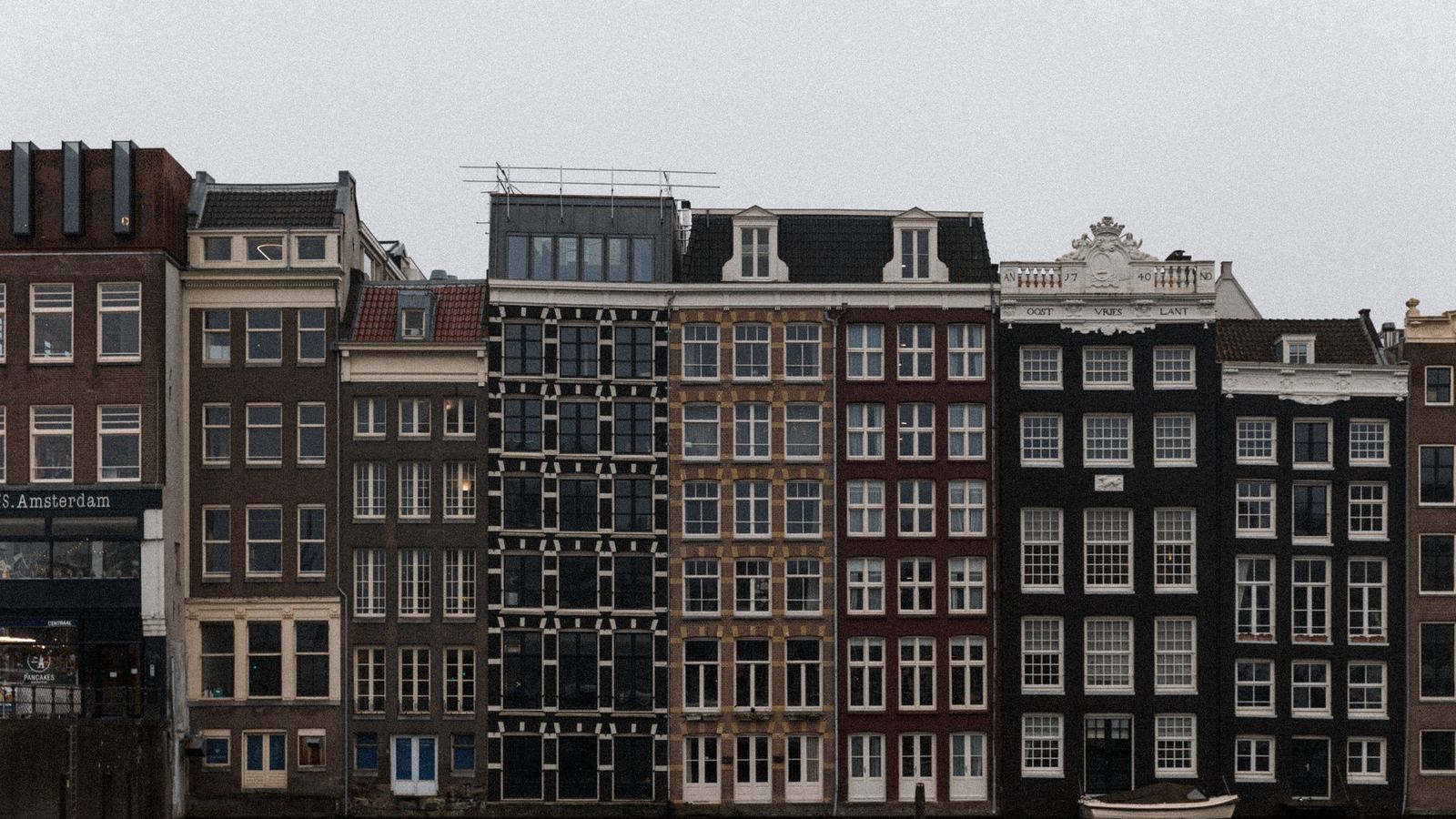
Historic canal houses in Amsterdam
Being mapped now

Amsterdam for digital nomads, remote workers and expats

Amsterdam is the Dutch capital and one of the most international cities in Europe, with about 930,000 residents and a working culture where English is spoken almost everywhere. Remote workers come for the flat, bike-first layout, the dense network of cafés and canals, and a tech scene that includes many foreign startups and scale-ups.

Live

Events in Amsterdam

No public event is scheduled right now. Communities in Amsterdam publish their meetups, coworking days and trips on dgmads: check back soon.

Organising something in Amsterdam? Send us your events at info@dgmads.com or on Instagram @dgmads_official and we will publish them.

info@dgmads.comInstagram @dgmads_official

Community

Communities in Amsterdam on dgmads

Besides dgmads, no community in Amsterdam has a dgmads page yet. Running one? With the dgmads Community plan you get a public events page with sign-ups.

Open your community page

About the city

Amsterdam in 30 seconds

  • International and compact, with English spoken almost everywhere and fast internet.
  • Work from cafés in Oost, De Pijp and Oud-West, coworking spaces across the city or the OBA central library.
  • Live in the Jordaan or De Pijp for atmosphere, Oost or Zuid for calm, Noord for space and creative studios.
  • Schiphol (AMS) is about 15 minutes by train from Centraal; bikes, trams and free ferries do the rest.
  • Expensive, with a real housing shortage: sort out accommodation before anything else.
ClimateMild and damp, grey winters
Cost of livingHigh; housing is scarce
InternetFast broadband and 5G
AirportAMS, ~15 min by train
Getting aroundBike first; trams, metro, ferries
LanguageDutch; English almost everywhere

Where to work

Remote work in Amsterdam

Amsterdam is the Dutch capital and one of the most international cities in Europe, with about 930,000 residents and a working culture where English is spoken almost everywhere. Remote workers come for the flat, bike-first layout, the dense network of cafés and canals, and a tech scene that includes many foreign startups and scale-ups. Fibre and 4G/5G coverage are excellent, and public Wi-Fi is common in libraries and cafés, so staying connected is rarely a worry.

The trade-off is cost: Amsterdam is the most expensive city in the Netherlands, and housing is the hard part, with a tight rental market and short-term stays that need booking well ahead. The climate is mild and damp, with grey winters and pleasant summers. Schiphol (AMS) is fifteen minutes away by train and connects to most of the world, while Centraal station links Rotterdam, Utrecht, Brussels, Paris and Berlin by rail.

Most remote workers in Amsterdam end up in De Pijp, Oost or Westerpark, where laptop-friendly cafés sit between markets and parks, or in Noord, a short free ferry ride from Centraal, where former shipyards host creative studios and coworking spaces. The central public library, OBA Oosterdok, is a reliable free option with plenty of desks and views over the water. Coworking is widespread, from large international chains to small neighbourhood hubs. The dgmads team is mapping Amsterdam right now, checking work-friendly cafés, coworking spaces and libraries one by one, so the list keeps growing.

Coworking spaces in Amsterdam

Coworking runs from international chains to neighbourhood hubs. Among the spaces the dgmads team is checking now: Well at Work Offices in the Rivierenbuurt, with meeting rooms; MOMA&CO in Bos en Lommer, with flex desks by the day or month; Social Impact Factory, in a former chewing-gum factory in Oost; and the Werkplaats at Volkshotel on Wibautstraat.

Laptop-friendly cafés in Amsterdam

Many cafés are used to laptops on weekday mornings; weekend brunch is another story. On the list we are checking: De Ysbreeker on the Amstel, open early, with outlets; Louie Louie by the Oosterpark, with long tables; De Kanarie Club on Bellamyplein; Coffee Company on Haarlemmerdijk; and Anne&Max on Amstelveenseweg. Order regularly.

Libraries and quiet places in Amsterdam

OBA Oosterdok, the central public library a short walk east of Centraal, has floors of desks, power outlets, quiet areas and a restaurant on the top floor. It is free to enter; if you are not a member, check the Wi-Fi access rules at the desk.

Places to work from in Amsterdam

The dgmads team is adding and checking places in Amsterdam right now.

Discover the other 4 Places in Amsterdam on the app

Neighbourhoods

Where to stay in Amsterdam as a remote worker

1

Jordaan

Narrow streets and canals just west of the centre, with small cafés, galleries and the Noordermarkt. Charming and central, but flats are small and in high demand.

2

De Pijp

Dense and lively around the Albert Cuyp market, with cafés and restaurants on every corner. Suits people who want neighbourhood life within cycling distance of everything.

3

Oost

Green and multicultural around the Oosterpark, close to the Amstel and Wibautstraat. Popular with students and remote workers who want calmer streets and good cafés.

4

Oud-West and Westerpark

Residential streets between the Vondelpark and the Westergasfabriek cultural park. A practical base with plenty of cafés and quick rides to the centre.

5

Noord

Across the IJ, reached by free ferry or metro. Former shipyards such as NDSM host studios and events; more space, newer buildings and quieter evenings.

6

Zuid

Smart and calm, with Museumplein, the Rivierenbuurt and the Zuidas business district. Good for long stays and for anyone working near Zuidas.

Community

Digital nomads in Amsterdam

Expat and international life in Amsterdam is well organised: there are regular language exchanges, tech and startup meetups, running clubs and borrels for newcomers, and a large share of residents were born abroad, so finding people is easy. Once the city is fully mapped, local communities will be able to publish their events on dgmads, and members will see who is working nearby and meet up. Beta sign-ups are already open.

Expats

Expats in Amsterdam

Amsterdam is home to people from well over a hundred countries, and international life is part of the city's everyday rhythm. EU citizens can move freely and register with the municipality (gemeente) if they stay longer than four months, which gives them a citizen service number (BSN). Non-EU citizens need a residence permit: options include the permit for self-employed people and, for US citizens, the Dutch-American Friendship Treaty (DAFT). Rules change, so check with the IND. Housing is the hardest part of moving here.

Students

Students in Amsterdam

Amsterdam has two large research universities, the University of Amsterdam (UvA), with faculties spread through the centre and the Roeterseiland campus, and Vrije Universiteit (VU) in Zuid near Zuidas. Both teach many programmes in English and host a sizeable Erasmus and international intake every year. Students cluster in Oost, De Pijp and around Science Park, and the OBA public libraries plus university libraries give plenty of quiet study space.

Articles

Guides to Amsterdam

FAQ

Amsterdam for remote workers: questions

Is Amsterdam good for digital nomads?

Yes, if your budget allows it. English works everywhere, internet is fast, the city is compact and bike-friendly, and the international crowd is large. The main obstacles are the price of accommodation and finding a place at all, so plan housing before you plan anything else.

Where can I work from in Amsterdam?

Cafés in De Pijp, Oost and Westerpark, the OBA Oosterdok public library, and coworking spaces across the centre and in Noord. The dgmads team is verifying Amsterdam's laptop-friendly venues one by one right now, adding each to the map once checked.

Is there a nomad community in Amsterdam?

There is a very active international scene: expat meetups, tech events, language exchanges and sports groups run every week. Once dgmads finishes mapping the city, local communities will be able to list their events there so remote workers and students can find each other.

Do I need a visa to work remotely from Amsterdam?

EU and EEA citizens need no visa. The Netherlands has no dedicated digital nomad visa, so non-EU citizens usually visit under Schengen short-stay rules; working for a Dutch employer or staying longer requires a permit from the IND. Check official sources before committing.

What are the best neighbourhoods in Amsterdam for remote workers?

De Pijp and the Jordaan for cafés and atmosphere, Oost and Zuid for calmer streets and parks, Oud-West and Westerpark for a practical base, Noord for space and creative venues. Availability matters more than preference in a tight housing market, so stay flexible.

How do I get from Schiphol airport to Amsterdam city centre?

NS trains leave from the station beneath the Schiphol terminal and reach Amsterdam Centraal in about 15 minutes, several times an hour and through the night. Check in and out with a contactless bank card or an OV-chipkaart.

Can I stay in Amsterdam longer than 90 days as a non-EU remote worker?

Only with a residence permit from the IND, as the Netherlands has no digital nomad visa. Options include the permit for self-employed people and, for US citizens, the route under the Dutch-American Friendship Treaty (DAFT). Requirements change, so check with the IND before you plan.

When is the best time to visit Amsterdam as a digital nomad?

Late spring and early autumn: mild days, terraces open and fewer crowds than in mid-summer. April brings tulips and King's Day; July and August are busy and accommodation is hardest to find; winter is grey and dark early, but cafés and libraries are cosy.

Work from Amsterdam with dgmads

Our team is mapping Amsterdam right now. Join the Beta and be there when it opens.

Join the beta

More cities in Netherlands

dgmads is for

Get the dgmads app to find nomads, places and events near you.

© 2026 dgmads · All rights reserved

Share