 dgmads
In short
- Why come: low costs for Italy, short mild winters, the sea on your doorstep and one of the world's most active volcanoes above the city.
- Where to work: coworking spaces around Corso Italia and the Borgo, a few laptop-friendly cafés, free historic libraries.
- Where to live: the historic centre for atmosphere, the Borgo or Corso Italia for calm and newer buildings, Ognina for the sea.
- Getting in: Fontanarossa airport (CTA), about 5 km from the centre, linked by the Alibus shuttle.
- Best months: April to June and September to November. July and August are very hot.
- Community: student-driven and friendly; local groups publish their events on dgmads.
Why digital nomads choose Catania
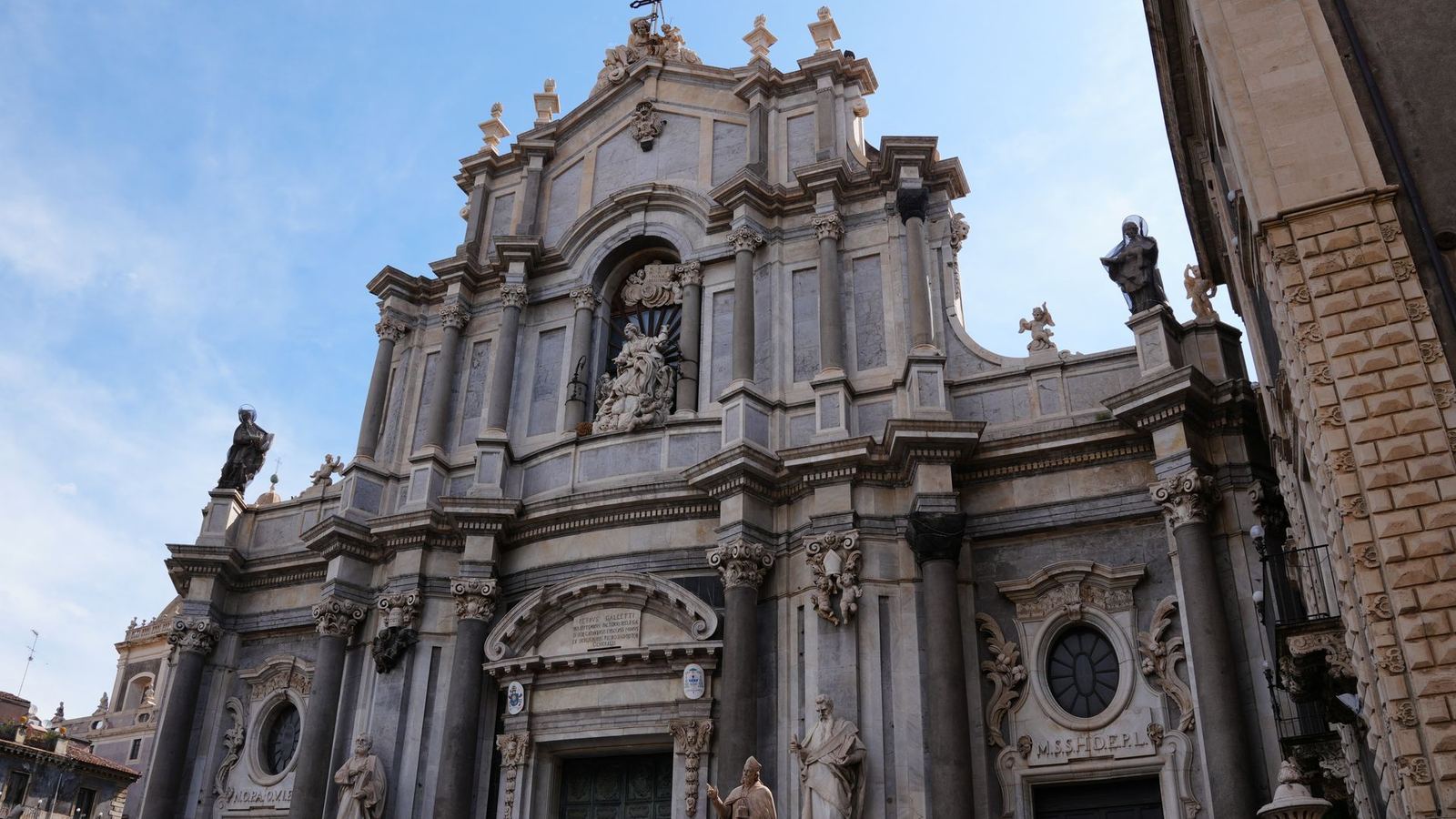
Catania is Sicily's second city, with about 300,000 people in the municipality and many more in the towns on the slopes of Etna. Rebuilt in baroque style after the 1693 earthquake, its centre is made of dark lava stone, and the Val di Noto baroque towns, Catania included, are a UNESCO World Heritage Site.
For remote workers it combines things that rarely come together in southern Italy: an international airport almost in town, a large university with a steady flow of students, a modern office district with coworking spaces, and both sandy and rocky beaches a bus ride from Via Etnea.
Costs are low by Italian standards, so a salary from abroad goes a long way. The trade-offs are a hectic, sometimes chaotic city, very hot summers and an active volcano that occasionally drops ash on the streets. Most people who stay a few months find that part of the charm.
| Catania in short | |
|---|---|
| Climate | Hot, dry summers; short, mild winters with some rainy spells |
| Cost of living | Low for Italy; furnished central flats with fibre cost more than the local average |
| Internet | Fibre common in the centre and newer districts; good 4G / 5G coverage |
| Getting there | CTA airport, the busiest in Sicily, with flights across Europe |
| Language | Italian (and Sicilian); English understood by younger people and in the centre |
| Time zone | CET / CEST, same as Berlin, Paris and Madrid |
| Best for | Nomads who want sea, mountains and a lively student city at a low cost |
Where to work remotely in Catania
Catania's work scene is split in two: coworking spaces in the modern district east of Via Etnea, and cafés and libraries in the historic centre. Most nomads base themselves in a coworking space and use cafés for a change of scene.
- Coworking spaces. Most are around Corso Italia and Viale XX Settembre, the office district between the centre and the sea, with others in the Borgo and near Piazza Duomo. Expect day passes, monthly desks, meeting rooms and, in the better ones, air conditioning.
- Laptop-friendly cafés. Catanese bars are built for a quick espresso at the counter. A handful welcome laptops for hours; look for outlets, stable Wi-Fi and tables away from the door.
- Libraries. The Biblioteche Riunite Civica e A. Ursino Recupero, in the former Benedictine monastery of San Nicolò l'Arena, are free and silent. Good for deep work, not for calls.
Coworking spaces the dgmads team has checked in person: Coworking Catania Centro on Viale XX Settembre and Centro Uffici Verga on Corso Italia, both air-conditioned with private areas and meeting rooms; Feiana Business Center on Piazza Cavour in the Borgo; Isola Catania, near Piazza Duomo, with soundproof areas and an event space; CoWonderful, further north on Via Vincenzo Giuffrida, with an outdoor area and a kitchen; and @localhost, west of the centre, with great Wi-Fi.
For cafés with Wi-Fi and outlets: Verso Catania on Via Monserrato, with comfortable seating and food from breakfast to dinner; Student Lab on Via Firenze, a bright bar-restaurant open into the evening; and the café of Eco Hostel on Via Fornai, in the old centre, air-conditioned and open early.
The venues on the dgmads map in Catania were checked in person by our team: Wi-Fi, outlets, noise and how long you can comfortably stay. dgmads is in Alpha and Beta sign-ups are open.
Best neighbourhoods in Catania for digital nomads
Catania is easy to read: the historic centre runs along Via Etnea from the cathedral uphill to the Borgo, the modern districts spread east towards the sea, and the lava coast starts at Ognina. Here is how the main areas compare.
| Area | Vibe | Good for |
|---|---|---|
| Centro storico / Via Etnea | Baroque streets, markets, bars around Piazza Teatro Massimo | First-timers who want everything on foot |
| Borgo | Upper Via Etnea, residential, shops and a metro stop | A calmer base still close to the centre |
| Corso Italia / Viale XX Settembre | Modern offices and shops, wide streets | Long stays, calls and coworking on your doorstep |
| Cibali | Residential, around the stadium, many students | Tight budgets and the metro |
| Ognina / San Giovanni Li Cuti | Small harbours, lava rocks, fish restaurants | Sea lovers and quieter evenings |
| Picanello | Traditional, little-touristed, between Corso Italia and the sea | Everyday local life near the coworking district |
Summer heat matters more than the view here. Ask whether the flat has air conditioning in the bedroom and the workspace, and request a speed test before you sign.
Internet and SIM cards in Catania
Fibre to the home is widespread in the centre and in the post-war districts around Corso Italia, and most rentals aimed at long stays advertise it. Some old palazzi still depend on slower lines, so check rather than assume.
Mobile coverage is good across the city, with 4G everywhere and 5G in much of the centre. All the main Italian operators sell prepaid SIMs with generous data; bring a passport and, for some offers, a codice fiscale (the Italian tax code). A local SIM used as a hotspot is a sensible backup for important calls.
Visas: can you stay in Catania as a digital nomad?
EU citizens can live and work in Catania without a visa. After three months they are expected to register their residence at the Comune, which requires proof of work or income and health cover.
Non-EU citizens from visa-exempt countries can usually stay up to 90 days in any 180 in the Schengen area as tourists. For longer stays, Italy introduced a digital nomad and remote worker visa in 2024, aimed at highly qualified professionals who work for themselves or for companies abroad. It asks for a minimum annual income, health insurance, accommodation and relevant experience.
Visa rules and income thresholds change. Check the current requirements with the Italian consulate in your country before booking a long stay.
Getting to and around Catania
Fontanarossa airport (CTA) is about 5 km south of the centre and has flights to much of Europe. The Alibus shuttle runs to the central station, Via Etnea and the Borgo in around half an hour, depending on traffic; a taxi takes about 15 minutes outside rush hour.
When Etna is erupting, ash can close the airport or limit flights for a few hours. It does not happen often, but check your flight status on days with visible activity.
In town, the centre is walkable and AMTS buses cover the rest. A metro line runs from the Stesicoro and Borgo stations to the western districts. Regional trains go to Taormina, Siracusa and Messina, and the Circumetnea railway circles the volcano through the hill towns. A car helps for Etna and the countryside, not for the centre.
The digital nomad community in Catania
Catania's international scene grows out of the university: Erasmus associations, language tandems, climbing and hiking groups that head up Etna at weekends, and aperitivo nights around Piazza Teatro Massimo. Remote workers slot in easily, and the city is small enough that you start recognising faces within weeks.
Feiana Business Center runs workshops and Isola Catania has an event space, and the social areas of Eco Hostel and Student Lab are easy places to meet people in the evening.
Local communities publish their meetups on dgmads, so the events in Catania page is the quickest way to see what is on this week. You will find the venues and areas on the Catania page.
When to come: Catania month by month
| Season | What to expect |
|---|---|
| Spring (Apr to Jun) | Warm days, green slopes on Etna, sea warming up. Ideal for long workdays and weekend hikes. |
| Summer (Jul to Aug) | Very hot and humid. Beach life at La Playa and Ognina, festivals, slow afternoons. Work early, rest midday. |
| Autumn (Sep to Nov) | Sea warm into October, fewer tourists, grape harvest on Etna. A favourite time for long stays. |
| Winter (Dec to Mar) | Mild and often sunny, with rainy spells and sometimes snow on Etna. The festival of Sant'Agata fills the city in early February. |
Weekend trips from Catania
- Mount Etna, with marked trails and guided excursions to the summit craters; check the activity level and the access rules first.
- Taormina, on a cliff above the sea north of Catania: the Greek theatre and Isola Bella.
- Siracusa and Ortigia, reachable by train or bus, for the old town and swimming from the rocks.
- Aci Castello and Aci Trezza, on the Riviera dei Ciclopi, with the basalt stacks in the sea.
- Noto and the Val di Noto, the baroque towns south of Catania.
Between trips, eat like a local: arancini, pasta alla Norma, horse-meat grills in Via Plebiscito and granita with brioche for breakfast in summer. Heading west afterwards? Our Palermo guide covers the other side of the island.
Questions people ask
Is Catania good for digital nomads?
Yes, especially for people who want sea, mountains and a lively student city at a low cost. Catania has an airport close to the centre, fibre in much of the city, several coworking spaces and flights across Europe. Summers are very hot and the city can feel chaotic, so plan around both.
Where do digital nomads work in Catania?
In coworking spaces around Corso Italia and Viale XX Settembre, in the Borgo and near Piazza Duomo, in a few laptop-friendly cafés, and in free libraries such as the Biblioteche Riunite Civica e A. Ursino Recupero. The dgmads map lists venues checked in person for Wi-Fi, outlets and noise.
Which neighbourhood is best for digital nomads in Catania?
The historic centre for atmosphere and walkability, the Borgo and Corso Italia for quieter streets, newer buildings and coworking nearby, Ognina for the sea. Cibali suits tight budgets. Always check the internet speed and the air conditioning of a flat before you sign.
Is the internet fast enough for remote work in Catania?
Usually, yes. Fibre to the home is common in the centre and the modern districts, and 4G / 5G coverage is good. Some older buildings have slower lines, so ask for a speed test and keep a local SIM as a hotspot backup for important calls.
Does Mount Etna affect life in Catania?
Mostly as scenery. During eruptions, ash can fall on the city and the airport may close or limit flights for a few hours. It is a normal part of life here: check your flight status on days of visible activity and follow official guidance on excursions to the summit.
Does Italy have a digital nomad visa?
Yes. Since 2024 Italy has a visa for digital nomads and remote workers, for highly qualified non-EU professionals with a minimum income, health insurance and accommodation. EU citizens do not need it. Requirements change, so check with the Italian consulate before applying.
How do I meet other nomads in Catania?
Join language exchanges, Erasmus events, Etna hikes and coworking workshops, which run all year and more often from spring to autumn. Local communities publish their events on dgmads, on the events page of Catania, so you can find one in your first days.
By Ivan Territo — Co-Founder · Product & Design, dgmads · LinkedIn · Published · Updated