 dgmads
In short
- Why come: a big, walkable city with porticoes, cafés, museums and mountains, at a lower cost than Milan.
- Where to work: coworking spaces in the centre and Vanchiglia, cafés with Wi-Fi and outlets, free civic libraries.
- Where to live: San Salvario or Vanchiglia for social life, Crocetta for calm, the centre for walking everywhere.
- Getting in: Turin-Caselle airport (TRN), north of the city; high-speed trains to Milan in about an hour.
- Best months: April to June and September to October. Winters are cold, Augusts quiet.
- Community: built around universities, tech and festivals; local groups publish events on dgmads.
Why digital nomads choose Turin
Turin is the capital of Piedmont and home to about 850,000 people, the fourth-largest city in Italy. It was the first capital of united Italy and for a century the heart of the Italian car industry. Today it is a city of universities, research, design and culture, with a baroque centre built on a regular grid.
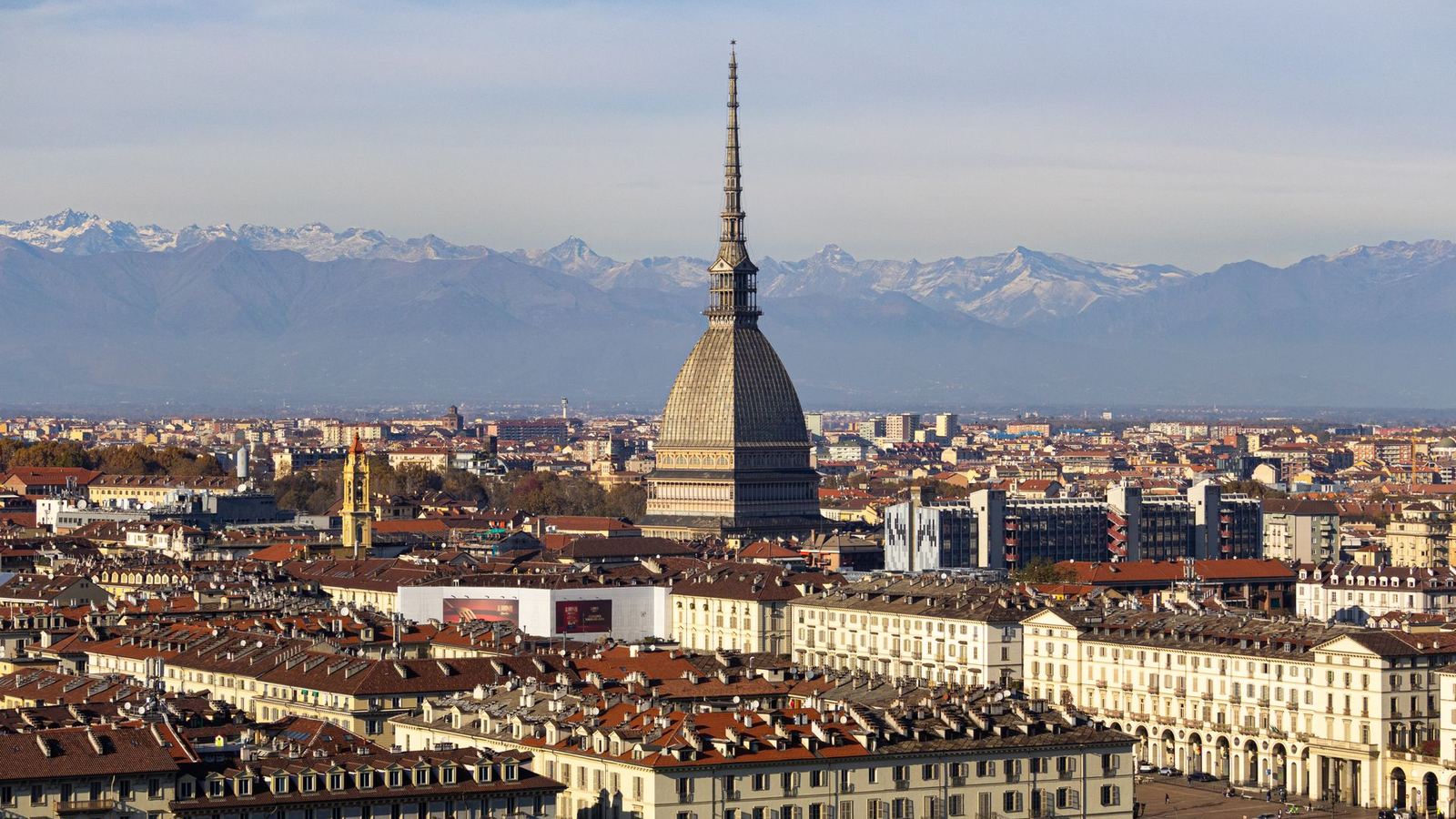
What wins nomads over is the balance. You get the services of a big city, fibre, coworking spaces, an airport and fast trains, without the crowds and prices of Milan. Kilometres of porticoes keep you dry on the walk to work, and on clear days the Alps close the end of the streets.
There is plenty to do after work: the Egyptian Museum, the National Cinema Museum inside the Mole Antonelliana, the Valentino park along the Po, and the aperitivo, a ritual taken seriously in the city where vermouth was born. The trade-off is a more reserved, less touristy city: it takes a few weeks to feel at home.
| Turin in short | |
|---|---|
| Climate | Cold, mostly dry winters; warm, humid summers; mild springs and autumns |
| Cost of living | Moderate for northern Italy, clearly below Milan |
| Internet | Fibre common in the centre; good 4G / 5G coverage |
| Getting there | TRN airport plus high-speed trains from Porta Susa and Porta Nuova |
| Language | Italian; English common among students and in tech |
| Time zone | CET / CEST, same as Paris, Berlin and Madrid |
| Best for | Nomads who want a real city, culture and mountains, at a calm pace |
Where to work remotely in Turin
Turin has a broad choice of places to open a laptop. Most nomads mix coworking spaces, a couple of favourite cafés and the libraries during the week.
- Coworking spaces. Spread across the centre, San Salvario, Vanchiglia and the northern districts, from small shared offices to large spaces with meeting rooms and event areas. Most offer day passes and monthly desks.
- Cafés. Turin's historic cafés are made for lingering, but not all of them welcome laptops for hours. Look for outlets and stable Wi-Fi, and avoid the busy breakfast and lunch hours.
- Libraries and cultural centres. The Biblioteca civica centrale and the civic library network are free and quiet; the Biblioteca Nazionale Universitaria is on Piazza Carlo Alberto.
Some places on the dgmads map, checked in person by our team: Blox Space, on Via Pietro Micca, with soundproof areas and an event space; Ultraspazio, near Via Po, which opens early; Copernico Torino Garibaldi, by the Quadrilatero, with meeting rooms; OGR Tech, the tech hub in the former railway workshops; and INTANDEM Coworking in Vanchiglia.
For café days, Caffè Elena on Piazza Vittorio Veneto, MagazziniOz on Via Giolitti and Caffè Vergnano near Porta Nuova all have Wi-Fi and outlets. The Circolo dei lettori on Via Bogino, a cultural centre, adds quiet rooms to the mix.
The venues on the dgmads map in Turin were checked in person by our team for Wi-Fi, outlets and noise. dgmads is in Alpha and Beta sign-ups are open.
Best neighbourhoods in Turin for digital nomads
Turin's districts are close together and well linked, so you can choose by mood rather than by commute. The centre is elegant and walkable, the areas around it are younger and cheaper. Here is how the main ones compare.
| Area | Vibe | Good for |
|---|---|---|
| Centro | Baroque squares, porticoes, historic cafés | First stays, walking everywhere |
| Quadrilatero Romano | Narrow Roman streets, small bars, aperitivo | Atmosphere and evenings out |
| San Salvario | Multicultural, students, nightlife, near Valentino park | Social life and quick trains from Porta Nuova |
| Vanchiglia | Students, studios, relaxed bars between the Po and the Dora | Creative types and university people |
| Crocetta | Elegant, residential, quiet | Long stays, calls, families |
| Aurora / Borgo Dora | Changing fast, Balon flea market, mixed streets | Lower rents and something less polished |
Turin flats can be cold in winter. Ask how the heating works (central or independent) and for a speed test before you sign.
Internet and SIM cards in Turin
Fibre to the home is widespread in Turin, especially in the centre and in the inner districts, and most rentals aimed at long stays advertise it. Some older buildings still rely on slower lines, so check rather than assume.
Mobile coverage is good across the city. The main Italian operators sell prepaid SIMs with generous data; you need a passport and, for some offers, a codice fiscale (the Italian tax code). An eSIM works for the first days, and a local SIM as a hotspot is a useful backup.
Visas: can you stay in Turin as a digital nomad?
EU citizens can live and work in Turin without a visa. After three months they are expected to register their residence at the Comune, with proof of work or income and health cover.
Non-EU citizens from visa-exempt countries can usually stay up to 90 days in any 180 in the Schengen area. For longer stays, Italy introduced a digital nomad and remote worker visa in 2024, aimed at highly qualified professionals working for themselves or for companies abroad. It asks for a minimum annual income, health insurance, accommodation and relevant experience.
Visa rules and income thresholds change. Check the current requirements with the Italian consulate in your country before booking a long stay.
Getting to and around Turin
Turin-Caselle airport (TRN) is about 16 km north of the city, with flights to many European cities. Shuttle buses connect it with Porta Susa and Porta Nuova, and a local train line also serves the airport. Milan's airports are an alternative for long-haul flights.
Porta Susa and Porta Nuova are the two main stations: high-speed trains reach Milan in about an hour, and regional trains go to Genoa, the Ligurian coast and the Alpine valleys. In town, GTT runs buses, trams and metro line 1, which links Porta Susa, Porta Nuova and Lingotto. The flat centre is easy on foot or by bike.
The digital nomad community in Turin
Turin has no single big nomad scene. Instead, internationals meet through the universities, the tech scene around the OGR and the Politecnico, language exchanges and a busy calendar of festivals, from the book fair in May to the film festival and Artissima in November.
After work, a few places on the dgmads map where people gather: EDIT Porto Urbano, a beer garden on the Murazzi by the Po, with events and late opening; Pastis, a bar in the Quadrilatero Romano; and the talks and readings at the Circolo dei lettori.
Local communities publish their meetups on dgmads, so the events in Turin page is the quickest way to see what is on this week. If you run a community, a dgmads page gives you a public calendar and sign-ups.
When to come: Turin month by month
| Season | What to expect |
|---|---|
| Spring (Apr to Jun) | Mild days, green hills, the book fair in May. Many nomads' favourite time. |
| Summer (Jul to Aug) | Hot and humid; August is quiet as many locals leave. Evenings by the Po and in the parks. |
| Autumn (Sep to Nov) | Clear days, wine harvest in the Langhe, film and art festivals in November. |
| Winter (Dec to Mar) | Cold, often sunny, sometimes foggy. Ski resorts within reach; ask about heating. |
Weekend trips from Turin
- Superga, the basilica on the hill, reached by a historic rack railway.
- The Reggia di Venaria, the Savoy royal palace and gardens just outside the city.
- The Langhe, hills of vineyards and villages, a UNESCO World Heritage landscape.
- The Alps, with regional trains to valley towns such as Bardonecchia for skiing and hiking.
- Genoa and the Ligurian coast, a couple of hours away by train.
And between trips, eat like a local: agnolotti, vitello tonnato, gianduiotti and a bicerin, the coffee, chocolate and cream drink of Turin.
Questions people ask
Is Turin good for digital nomads?
Yes, for nomads who want a big, well-connected Italian city without Milan's prices or crowds. Turin has fibre in much of the centre, many coworking spaces and cafés, high-speed trains and mountains nearby. The international scene is smaller, so it suits people who stay a few months.
Where do digital nomads work in Turin?
In coworking spaces in the centre, San Salvario and Vanchiglia, in cafés with Wi-Fi and outlets around Piazza Vittorio Veneto and Via Po, and in free civic libraries. The dgmads map lists Turin venues checked in person for Wi-Fi, outlets and noise.
Which neighbourhood is best for digital nomads in Turin?
San Salvario and Vanchiglia for a young, social crowd, Crocetta for quiet residential streets, the centre and the Quadrilatero Romano for walking everywhere. Aurora has lower rents and is changing fast. Always check the internet and the heating of a flat before you sign.
Is the internet fast enough for remote work in Turin?
Usually, yes. Fibre to the home is common in the centre and inner districts, and 4G / 5G coverage is good across the city. Some older buildings have slower lines, so ask for a speed test and keep a local SIM as a hotspot backup.
Does Italy have a digital nomad visa?
Yes. Since 2024 Italy has a visa for digital nomads and remote workers, for highly qualified non-EU professionals with a minimum income, health insurance and accommodation. EU citizens do not need it. Requirements change, so check with the Italian consulate before applying.
How do I meet other nomads in Turin?
Join language exchanges, tech meetups, aperitivi and festival events, which run all year and peak in spring and autumn. Local communities publish their events on dgmads, on the events page of Turin, so you can find one in your first days.
Is Turin a good base for travelling around Italy?
Yes. High-speed trains from Porta Susa and Porta Nuova reach Milan in about an hour and continue to other major Italian cities, regional trains serve Genoa and the Alps, and Turin-Caselle airport has flights across Europe.
By Ivan Territo — Co-Founder · Product & Design, dgmads · LinkedIn · Published · Updated