 dgmads
In short
- Why come: infrastructure that just works, an international crowd, a full events calendar and the lakes and Alps close by.
- Where to work: coworking spaces from Porta Nuova to Tortona, specialty cafés used to laptops, free civic libraries.
- Where to live: Isola, Porta Venezia, NoLo, the Navigli, Porta Romana or Città Studi.
- Getting in: Linate (LIN) is on metro M4; Malpensa (MXP) has the Malpensa Express; Bergamo (BGY) is linked by bus.
- Best months: April to June and September to October. August is hot and empty; winters are grey and foggy.
- Community: the largest in Italy; local groups publish their events on dgmads.
Why digital nomads choose Milan
Milan is the capital of Lombardy and Italy's economic centre, with about 1.4 million people in the city and more than three million in the metropolitan area. It is where Italian finance, fashion, design and tech have their headquarters, and where working from a laptop in a café raises no eyebrows.
For remote workers the draw is infrastructure. Internet is fast, the metro reaches most neighbourhoods, things tend to open on time and services are used to foreigners. Add Italy's busiest calendar of talks, meetups and cultural events, and it is easy to build a routine and a network quickly.
The trade-offs: rents are the highest in Italy, summers are hot and humid, winters grey and foggy, and the city is less picturesque than Rome or Florence. In return, Lake Como, Bergamo and the Alps are a train ride away for the weekend.
| Milan in short | |
|---|---|
| Climate | Continental: hot, humid summers and cold, grey winters |
| Cost of living | Highest in Italy; rent is the big item |
| Internet | Fast fibre almost everywhere; good 4G / 5G |
| Getting there | Three airports: Linate (LIN), Malpensa (MXP), Bergamo (BGY) |
| Language | Italian; English widely used in business and among younger people |
| Time zone | CET / CEST, same as Paris, Berlin and Madrid |
| Best for | Nomads who want infrastructure, networking and nightlife |
Where to work remotely in Milan
Milan offers more choice than any other Italian city, and most remote workers mix a coworking membership with cafés and libraries. All the venues below are on the dgmads map, checked in person by the team.
- Coworking spaces. Copernico Milano Centrale and Talent Garden near Porta Nuova; Wellio on Via Dante and WeWork on Via Mazzini in the centre; Open by Joivy on Viale Monte Nero, with great Wi-Fi; YoRoom in Isola; BASE Milano, a cultural centre with coworking in the Tortona district; Piccolo Spazio Antico towards Città Studi.
- Laptop-friendly cafés. Specialty coffee bars are used to laptops on weekday mornings. With Wi-Fi and outlets: Orsonero Coffee near Paolo Sarpi, Ditta Artigianale on Corso Magenta, Elegant Coffee on Via Olona, Botega Caffè Cacao on Via Cesare Battisti and Crazy Cat Café near Centrale.
- Libraries. The Biblioteca Sormani on Corso di Porta Vittoria is the main civic library, free and silent; neighbourhood branches such as Biblioteca Zara have Wi-Fi and outlets. The Fondazione Giangiacomo Feltrinelli on Viale Pasubio adds bright, quiet space near Porta Volta.
If you want to work where you sleep, YellowSquare in Porta Romana and Ostello Bello Milano Duomo combine hostel rooms with social areas and Wi-Fi, and oTTo on Via Paolo Sarpi is a café, restaurant and coworking in one.
Every venue on the dgmads map in Milan was checked in person for Wi-Fi, outlets, noise and how long you can comfortably stay. dgmads is in Alpha and Beta sign-ups are open.
Best neighbourhoods in Milan for digital nomads
Milan is compact and well served by the metro, so almost any neighbourhood on a line works. What changes is the price, the noise and the feel. Here is how the areas remote workers choose most often compare.
| Area | Vibe | Good for |
|---|---|---|
| Isola | Former working-class district beside the Porta Nuova towers | Cafés, coworking and walking everywhere |
| Porta Venezia | Liberty buildings, international food, LGBTQ+ scene | Lively evenings, metro M1 |
| NoLo | Multicultural, young, north of Loreto | Lower rents and neighbourhood life |
| Navigli / Ticinese | Canals, aperitivo, vintage shops | A few weeks of social life |
| Porta Romana | Residential, near Bocconi, well connected | Long stays and quiet calls |
| Città Studi | Around the Politecnico, student-oriented | Tighter budgets, metro M2 |
Milan flats are often small and older buildings can be cold in winter. Ask about heating, noise and a speed test before signing; in summer, air conditioning is worth paying for.
Internet and SIM cards in Milan
Milan has some of the best fixed-line coverage in Italy: fibre to the home is the norm in most districts, and flats aimed at professionals almost always include it. In older courtyard buildings, check where the router sits before assuming every room gets a good signal.
4G and 5G coverage is good across the city and on the metro. Prepaid SIMs from the main Italian operators are sold in shops everywhere, including at Centrale; you need a passport and often a codice fiscale (the Italian tax code). An eSIM covers the first days.
Visas: can you stay in Milan as a digital nomad?
EU citizens can live and work in Milan without a visa. After three months they are expected to register their residence at the Anagrafe, showing work or income and health cover.
Non-EU citizens from visa-exempt countries can usually stay up to 90 days in any 180 in the Schengen area as tourists. For longer stays, Italy introduced a digital nomad and remote worker visa in 2024, aimed at highly qualified professionals who work for themselves or for companies abroad. It asks for a minimum annual income, health insurance, accommodation and relevant experience.
Visa rules and income thresholds change. Check the current requirements with the Italian consulate in your country before planning a long stay.
Getting to and around Milan
Linate (LIN), on the east side of the city, is on metro line M4, about 15 minutes from San Babila. Malpensa (MXP), the main international airport, is linked to Cadorna and Centrale by the Malpensa Express train in under an hour, and to Centrale by bus. Bergamo Orio al Serio (BGY), used by many low-cost airlines, is connected to Milano Centrale by bus in about an hour.
In town, ATM runs five metro lines (M1 to M5), trams and buses, and the city is flat enough for bike sharing. Area C and Area B restrict cars in the centre and much of the city, so you will not need one.
Milano Centrale and Porta Garibaldi are the rail hubs: high-speed trains reach Turin and Bologna in about an hour, Florence in about two and Rome in about three. Regional trains serve Como, Bergamo and the lakes.
The digital nomad community in Milan
Milan has the largest international scene in Italy. Expat meetups, tech and product talks, language exchanges, running clubs along the Navigli and design, fashion and music events fill the calendar most weeks.
Several venues on the map double as meeting points: BASE Milano and Santeria Toscana 31 have event spaces, and Talent Garden runs workshops and talks. Design Week in April turns the whole city into one big open event.
Local communities publish their meetups on dgmads, so the events in Milan page is the quickest way to see what is on this week. The Milan city page collects venues, areas and practical facts.
When to come: Milan season by season
| Season | What to expect |
|---|---|
| Spring (Mar to Jun) | Mild and green. Design Week in April fills the city and its hotels, so book early. |
| Summer (Jul to Aug) | Hot and humid. In August many residents leave and some businesses close; the lakes are the escape. |
| Autumn (Sep to Nov) | Back-to-work energy, Fashion Week in September, a packed events calendar; fog from November. |
| Winter (Dec to Feb) | Cold and grey, but the Alps are close for skiing. Fashion Week returns in February. |
Weekend trips from Milan
- Lake Como, about an hour by train to Como, with boats linking the lakeside villages.
- Bergamo, for the walled Città Alta, about an hour by train.
- Lake Maggiore, for Stresa and the Borromean Islands.
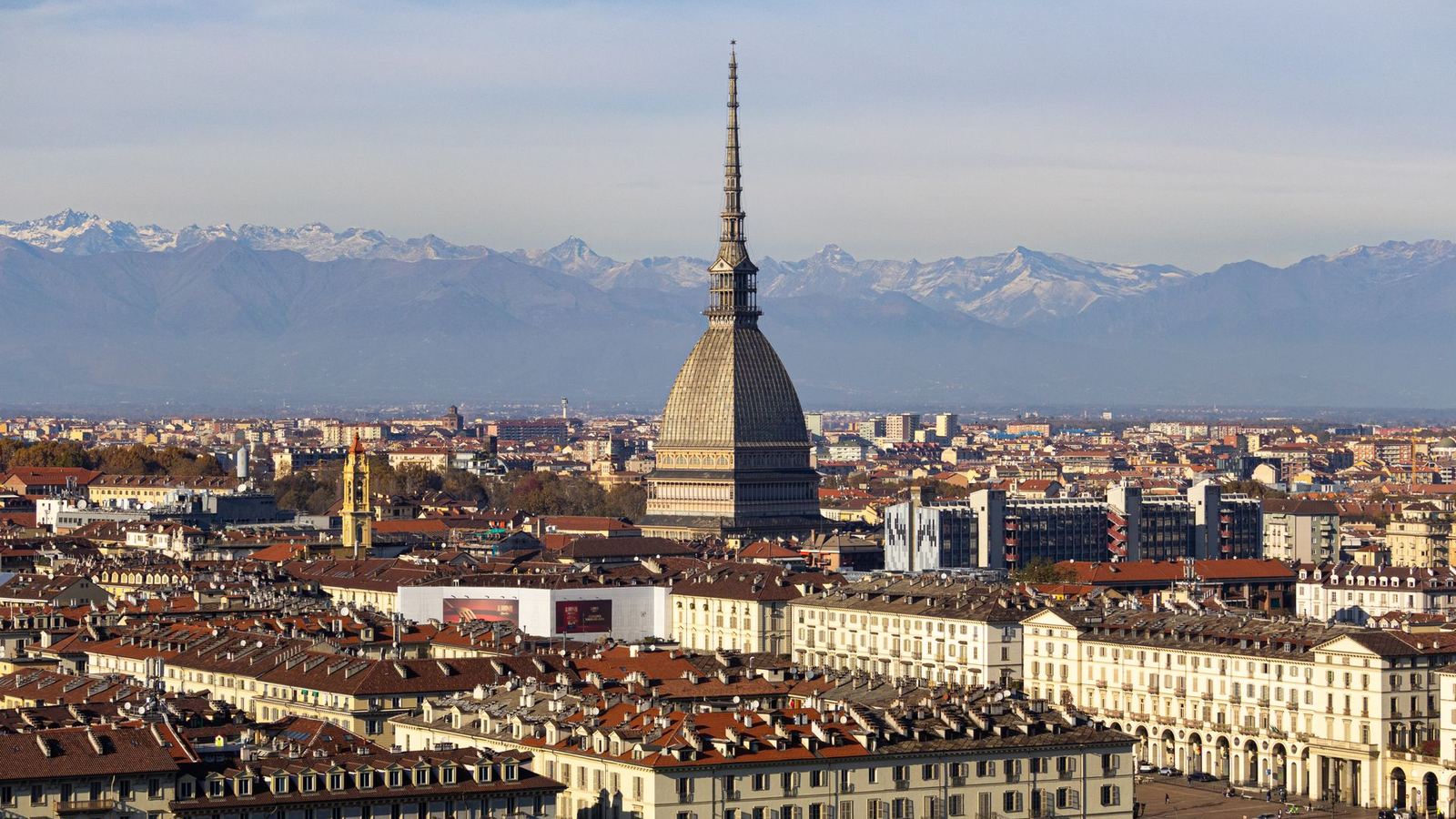
- Turin, about an hour by high-speed train, for cafés, museums and the Alps on the horizon.
- Monza, a short train ride north, for its huge park and the Villa Reale.
- The Alps, from Valtellina to the Aosta Valley, for hiking in summer and skiing in winter.
Between trips, eat like a local: risotto alla milanese, cotoletta, panettone at Christmas and the evening aperitivo the city proudly claims as its own.
Questions people ask
Is Milan good for digital nomads?
Yes, if you value infrastructure and networking over postcard charm. Milan has fast fibre almost everywhere, the widest choice of coworking spaces in Italy, three airports and the largest international community in the country. It is also the most expensive Italian city, with rent as the main cost.
Where do digital nomads work in Milan?
In coworking spaces such as Copernico Milano Centrale, Talent Garden or BASE Milano, in specialty cafés like Orsonero Coffee or Ditta Artigianale, and in free libraries such as the Biblioteca Sormani. The dgmads map lists venues checked in person for Wi-Fi, outlets and noise.
Which neighbourhood is best for digital nomads in Milan?
Isola and Porta Venezia for cafés and evenings close to the centre, NoLo for lower rents and a young crowd, Porta Romana for calm residential streets, Città Studi for a student budget. Anywhere near a metro line works; check heating and internet before you sign.
Is the internet fast enough for remote work in Milan?
Yes. Milan has some of the best coverage in Italy, with fibre to the home in most districts and good 4G and 5G across the city. In older buildings, check the router position, and keep a local SIM as a backup for important calls.
Does Italy have a digital nomad visa?
Yes. Since 2024 Italy has a visa for digital nomads and remote workers, for highly qualified non-EU professionals with a minimum income, health insurance and accommodation. EU citizens do not need it. Requirements change, so check with the Italian consulate before applying.
Which Milan airport is closest to the city centre?
Linate (LIN), on metro line M4 about 15 minutes from San Babila. Malpensa (MXP) is further out but handles most long-haul flights and has the Malpensa Express train to Cadorna and Centrale. Bergamo (BGY) serves many low-cost airlines and is linked to Milano Centrale by bus.
How do I meet other nomads in Milan?
Go to expat meetups, tech talks, language exchanges and running clubs, which happen almost daily. Coworking spaces and cultural centres also host open events. Local communities publish their events on dgmads, on the events page of Milan, so you can join one in your first week.
By Ivan Territo — Co-Founder · Product & Design, dgmads · LinkedIn · Published · Updated