dgmads
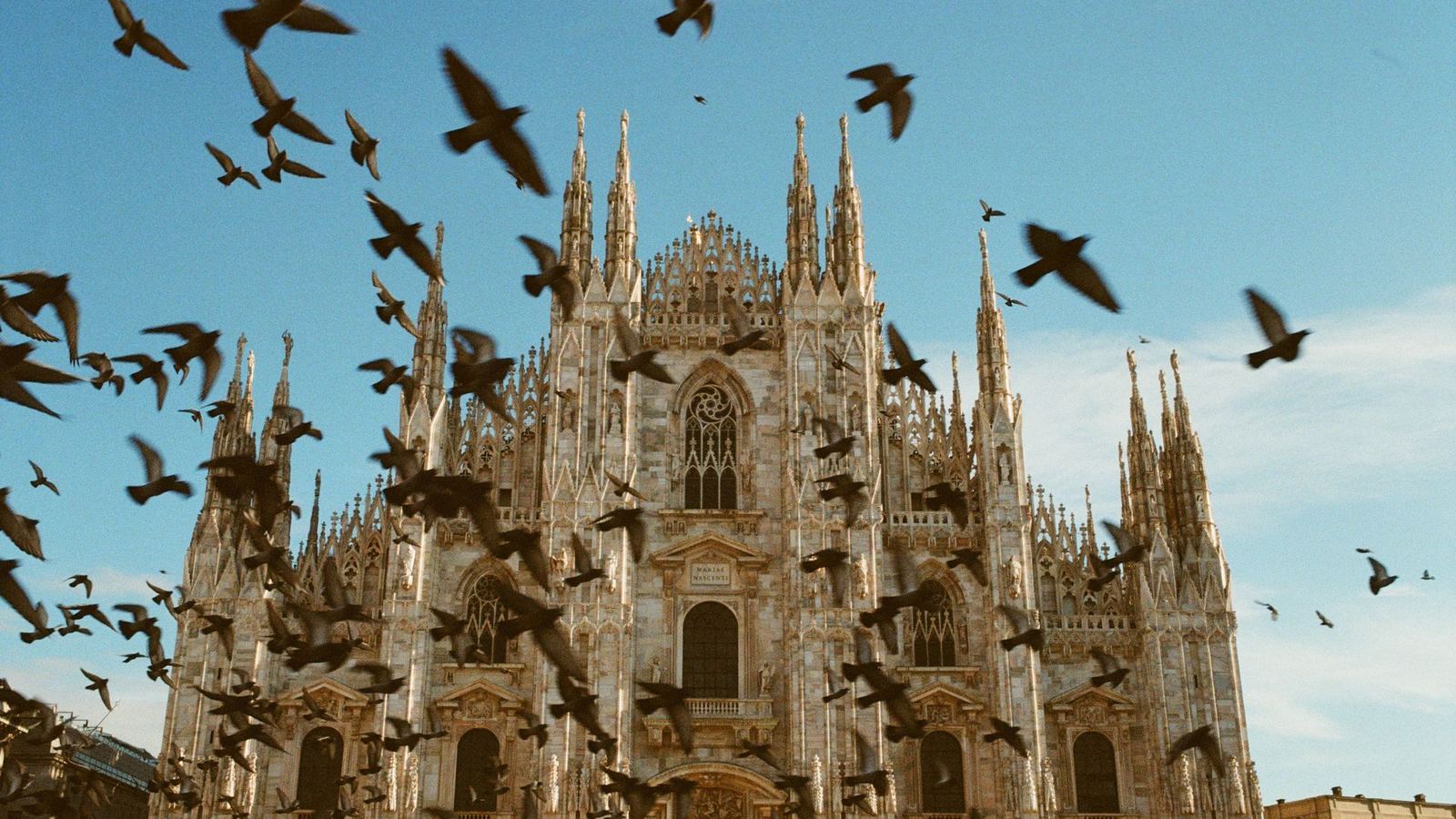
Milan Cathedral (Duomo di Milano) with birds in flight
On the dgmads map

Digital nomads, remote workers and expats in Milan

Milan is Italy's business capital and the city where remote work is most normal. About 1.4 million people live in the municipality and many more commute in, which means fast fibre almost everywhere, a dense metro network and a café culture that has long accepted laptops at the table.

Live

Events in Milan

No public event is scheduled right now. Communities in Milan publish their meetups, coworking days and trips on dgmads: check back soon.

Organising something in Milan? Send us your events at info@dgmads.com or on Instagram @dgmads_official and we will publish them.

info@dgmads.comInstagram @dgmads_official

Community

Communities in Milan on dgmads

Besides dgmads, no community in Milan has a dgmads page yet. Running one? With the dgmads Community plan you get a public events page with sign-ups.

Open your community page

About the city

Milan in 30 seconds

  • Italy's business capital, about 1.4 million people: the most expensive city in the country and the most used to remote work.
  • The largest coworking choice in Italy, from Copernico and Talent Garden to small spaces in Isola and Porta Romana.
  • Live in Isola, Porta Venezia, NoLo, the Navigli or Città Studi; rents ease as you move away from the centre.
  • Three airports: Linate (LIN) on metro M4, Malpensa (MXP) by the Malpensa Express, Bergamo (BGY) by bus.
  • The biggest international scene in Italy: expat meetups, tech talks and design events, many published on dgmads.
ClimateHumid summers, grey foggy winters
Cost of livingHighest in Italy
InternetFast fibre almost everywhere
AirportsLIN on metro M4, MXP, BGY
TrainsHigh-speed to Turin, Bologna, Rome
Day tripsLakes Como and Maggiore, the Alps

Where to work

Remote work in Milan

Milan is Italy's business capital and the city where remote work is most normal. About 1.4 million people live in the municipality and many more commute in, which means fast fibre almost everywhere, a dense metro network and a café culture that has long accepted laptops at the table. It is the most expensive city in the country, so budget accordingly, but salaries, services and opportunities are also on a different scale from the rest of Italy.

Three airports serve the city: Malpensa (MXP) for long-haul, Linate (LIN) ten minutes from the centre, and Bergamo Orio al Serio (BGY) for low-cost carriers. High-speed trains reach Turin, Bologna, Florence and Rome in one to three hours, and the lakes and Alps are a short trip away. The climate is continental, with humid summers and grey winters, and the vibe is fast, polished and international, with design, fashion, finance and tech all sharing the same aperitivo hours.

Milan has the largest coworking scene in Italy, from big operators such as Talent Garden and Copernico to small studios in Isola, Porta Romana and NoLo. Café working is easiest in Porta Venezia, Isola and along the Navigli, where specialty coffee bars expect laptops on weekday mornings; the Brera and Duomo area is prettier but pricier and busier. The Biblioteca Sormani near the Duomo and the university libraries give you free, silent desks. Every venue on this page is already on the dgmads map, checked in person for Wi-Fi, plugs, noise and how long you can stay with one coffee.

Coworking spaces in Milan

Milan has more coworking spaces than any other Italian city. On the dgmads map: Copernico Milano Centrale and Talent Garden near Porta Nuova, Wellio on Via Dante and WeWork on Via Mazzini in the centre, Open by Joivy on Viale Monte Nero, YoRoom in Isola, and BASE Milano, a cultural centre with coworking in the Tortona district.

Laptop-friendly cafés in Milan

Specialty coffee bars here are used to laptops on weekday mornings. Checked by the team, all with Wi-Fi and power outlets: Orsonero Coffee near Paolo Sarpi, Ditta Artigianale on Corso Magenta, Elegant Coffee on Via Olona, Botega Caffè Cacao on Via Cesare Battisti and Caffè Inn by Porta Romana station.

Libraries and quiet places in Milan

The Biblioteca Sormani on Corso di Porta Vittoria is the main civic library, free and silent; neighbourhood branches such as Biblioteca Zara add Wi-Fi and outlets closer to home. The Fondazione Giangiacomo Feltrinelli on Viale Pasubio has a bright, quiet space near Porta Volta. Bring ID.

Places to work from in Milan

Checked in person by the dgmads team: Wi-Fi, power outlets and how long you can comfortably stay.

Discover the other 46 Places in Milan on the app

Neighbourhoods

Where to stay in Milan as a remote worker

1

Isola

A former working-class district beside the Porta Nuova towers and the Bosco Verticale: cafés, coworking and bars. Central and walkable, with rents on the high side.

2

Porta Venezia

Liberty-style buildings, international food and the heart of the city's LGBTQ+ scene, next to the Indro Montanelli gardens. Lively evenings, metro M1.

3

NoLo

North of Loreto: multicultural, young and still cheaper than the centre, with a strong neighbourhood community. Metro M1 and M2 at Loreto.

4

Navigli / Ticinese

The canals in the south-west: aperitivo, vintage shops and busy nights. Great for a few weeks; pick a flat away from the bars if you sleep early.

5

Porta Romana

Residential and well connected, near Bocconi, with quieter evenings and everyday shops. Suits long stays and people who take many calls.

6

Città Studi

Around the Politecnico: student-oriented, practical and more affordable than the centre, with libraries and metro M2.

Community

Digital nomads in Milan

If you want an international social life in Italy, Milan is the easiest place to find it: expat meetups every night of the week, tech and product talks in Isola and Porta Nuova, language exchanges, running clubs along the Navigli and a constant stream of design, fashion and music events. Milan communities publish their events on dgmads, so instead of hunting through five group chats you can see what is on tonight and who else from the app is going.

Expats

Expats in Milan

Milan has the largest international workforce in Italy: people in finance, fashion, design and tech, students at Bocconi and the Politecnico, and a growing number of remote workers. EU citizens can register their residence at the Anagrafe after three months; non-EU citizens need a permit or Italy's digital nomad visa. Expect to need a codice fiscale, a local SIM and some patience with appointments. Expat groups run dinners, sports and language exchanges almost daily, and Milan communities publish their events on dgmads.

Students

Students in Milan

Milan hosts more universities than any other Italian city: the Politecnico di Milano in Città Studi and at Bovisa, the Università Statale around Via Festa del Perdono, Bocconi in Porta Romana, plus Cattolica, Bicocca and IULM. Città Studi, Porta Romana, Lambrate and Bicocca are the main student districts, with cheaper rents and bars than the centre. Erasmus numbers are high, and the university libraries plus the civic network provide long opening hours and free seats.

Articles

Guides to Milan

FAQ

Milan for remote workers: questions

Is Milan good for digital nomads?

Milan is the most practical Italian city for remote work: fast internet, three airports, the widest choice of coworking spaces and a large English-speaking community. It is also the priciest and least picturesque. People who want infrastructure, networking and nightlife tend to love it; those after slow Italian charm often pick smaller cities.

Where can I work from in Milan?

Isola, Porta Venezia and the Navigli have the most laptop-friendly cafés, Talent Garden and Copernico are the best-known coworking brands, and the Biblioteca Sormani is free. The dgmads map already covers Milan venues with Wi-Fi, plug and noise notes, so you can pick by neighbourhood.

Is there a nomad community in Milan?

Yes, the biggest in Italy. Expat groups, tech meetups, language exchanges and sports clubs run events almost daily, concentrated in Isola, Porta Nuova and Porta Venezia. Milan communities publish their events on dgmads, which is the simplest way to find something happening the week you arrive.

How expensive is Milan for remote workers?

Expensive by Italian standards, in line with other major western European cities. Rent is the main cost and a room in a shared flat is the usual compromise for a few months. Coworking day passes, coffee and public transport are reasonable, and lunch menus keep weekday eating affordable.

What are the best neighbourhoods in Milan for remote workers?

Isola and Porta Venezia for cafés and evenings within walking distance of the centre, NoLo for a younger and cheaper feel, Porta Romana for calm residential streets, Città Studi for a student budget. Check the line speed and the heating before you sign a lease.

How do I get from Milan's airports to the city centre?

Linate (LIN) is on metro line M4, about 15 minutes from San Babila. The Malpensa Express train links Malpensa (MXP) with Cadorna and Centrale in under an hour, and buses run to Centrale. From Bergamo Orio al Serio (BGY), buses reach Milano Centrale in about an hour.

Can I get a digital nomad visa to live in Milan?

Italy introduced a digital nomad and remote worker visa in 2024 for highly qualified non-EU professionals with a minimum income, health insurance and housing. Requirements change, so check with the Italian consulate before you apply. EU citizens need no visa.

When is the best time to visit Milan as a digital nomad?

April to June and September to October: mild weather and a full calendar, with Design Week in April and Fashion Week in September. July is hot and humid and the city empties in August; winters are grey and foggy but busy with work and culture.

Work from Milan with dgmads

Venues in Milan are already on the map. Join the Beta to get the app before everyone else.

Join the beta

More cities in Italy

dgmads is for

Get the dgmads app to find nomads, places and events near you.

© 2026 dgmads · All rights reserved

Share