dgmads
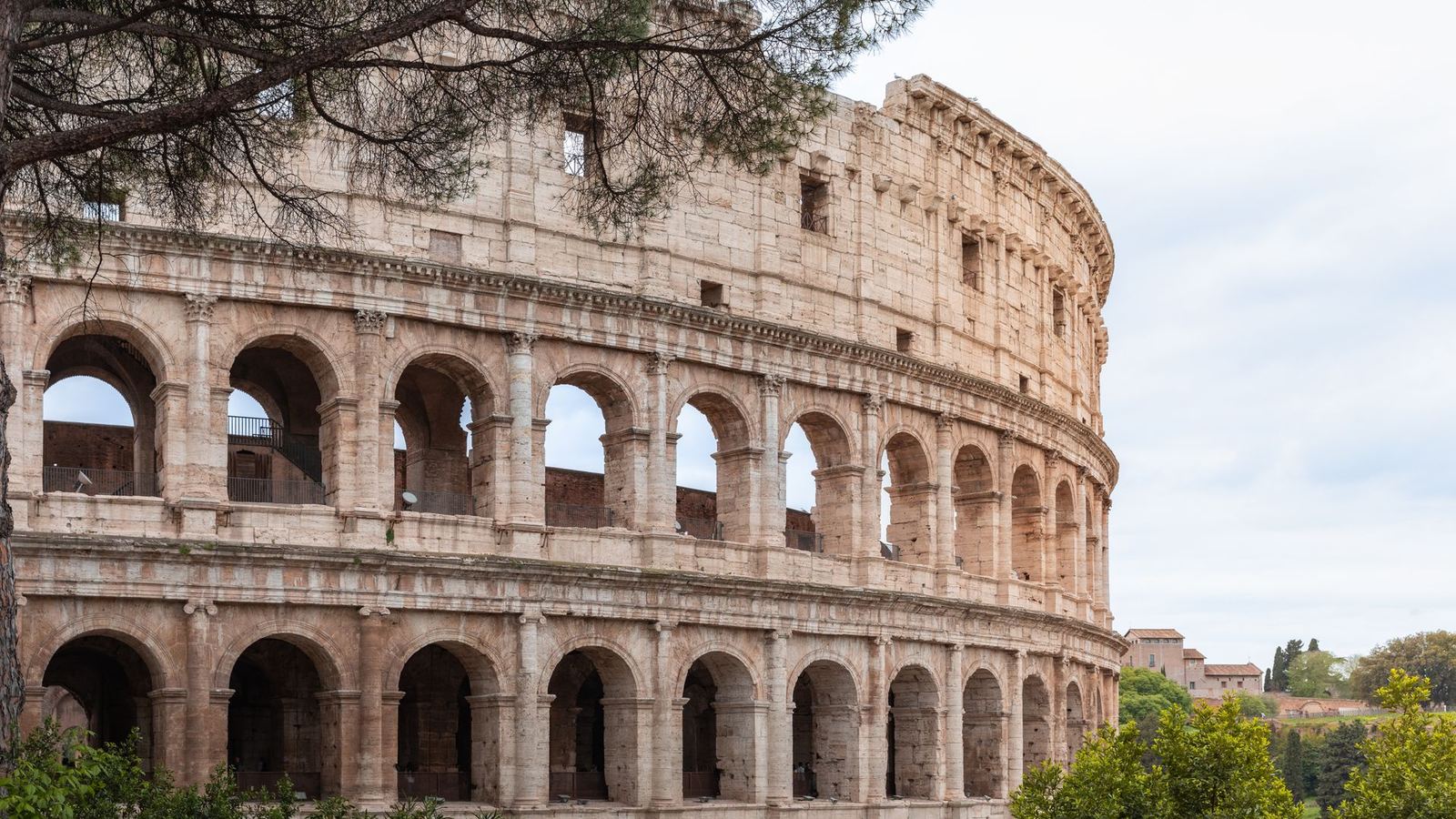
The Colosseum in Rome
On the dgmads map

Living and working in Rome as a digital nomad, remote worker or expat

Rome is a capital of about 2.8 million people where you can spend a morning on a laptop in a bar and the afternoon walking past two thousand years of history. Winters are mild, summers are hot and slow, and spring and autumn are the months when most remote workers choose to arrive.

Live

Events in Rome

No public event is scheduled right now. Communities in Rome publish their meetups, coworking days and trips on dgmads: check back soon.

Organising something in Rome? Send us your events at info@dgmads.com or on Instagram @dgmads_official and we will publish them.

info@dgmads.comInstagram @dgmads_official

Community

Communities in Rome on dgmads

Besides dgmads, no community in Rome has a dgmads page yet. Running one? With the dgmads Community plan you get a public events page with sign-ups.

Open your community page

About the city

Rome in 30 seconds

  • Italy's capital, about 2.8 million people: expensive for Italy, but costs fall fast outside the historic centre.
  • Work from coworking spaces in Ostiense, Prati and the centre, a few laptop-friendly cafés and free public libraries.
  • Live in Pigneto, San Lorenzo, Monti, Ostiense / Garbatella or Prati rather than the tourist core.
  • Fiumicino (FCO) is about 30 minutes from Termini by direct train; Ciampino (CIA) handles low-cost flights.
  • A large international crowd of students, embassy and UN staff; local communities publish their events on dgmads.
ClimateMild winters, hot summers
Cost of livingHigh for Italy, below Milan
InternetFibre widespread, 5G in much of the city
AirportsFCO ~30 min by train; CIA
TrainsHigh-speed to Naples, Florence, Milan
LanguageItalian; English in central areas

Where to work

Remote work in Rome

Rome is a capital of about 2.8 million people where you can spend a morning on a laptop in a bar and the afternoon walking past two thousand years of history. Winters are mild, summers are hot and slow, and spring and autumn are the months when most remote workers choose to arrive. By Italian standards it is an expensive city, second only to Milan, but costs vary enormously between the historic centre and neighbourhoods a few metro stops away.

Getting in and out is easy: Fiumicino (FCO) is the main intercontinental airport, Ciampino (CIA) handles low-cost flights, and Termini station connects Rome to Florence, Naples and Milan by high-speed train in a few hours or less. Fibre internet is widely available in flats and most cafés, while 4G and 5G cover the whole city. The vibe is noisy, warm and unhurried, with a large international population of students, embassy staff, researchers and creatives.

Remote workers in Rome gather in a handful of neighbourhoods rather than the tourist centre. Pigneto has small cafés with sockets and a creative crowd, San Lorenzo lives off the nearby Sapienza campus, and Ostiense and Garbatella mix converted industrial buildings with student bars. Prati, behind the Vatican, is quieter, while Trastevere is lovely early in the morning. Coworking spaces range from large chains near Termini to small studios in the east. The dgmads team has already visited and listed the cafés, coworkings and libraries that genuinely work, so you can filter the Rome map by sockets, Wi-Fi and noise.

Coworking spaces in Rome

Rome's coworking spaces are spread out, so pick one near home. Ostiense has the densest cluster: Talent Garden on Via Ostiense, Industrie Fluviali and Opengra. BSide Coworking covers Prati, Cofoundry sits near Barberini, Co.De. - Colavoro is a short walk from the Colosseum and Bunker is in San Lorenzo. Most sell day passes.

Laptop-friendly cafés in Rome

Roman bars are built for a quick espresso at the counter, so laptop-friendly ones are worth knowing. On the dgmads map: Faro - Caffè Specialty on Via Piave, with Wi-Fi and bright rooms; Er Caffettiere on Via Urbana in Monti, with power outlets and an early start; Reset-café on Via Casilina, towards Pigneto, with Wi-Fi and food.

Libraries and quiet places in Rome

The Biblioteca Nazionale Centrale, by Castro Pretorio metro, has large reading rooms; bring ID to register. The municipal Biblioteche di Roma network has free, quiet branches in most districts, and the Sapienza faculty libraries suit students. Good for focus, not for calls.

Places to work from in Rome

Checked in person by the dgmads team: Wi-Fi, power outlets and how long you can comfortably stay.

Discover the other 36 Places in Rome on the app

Neighbourhoods

Where to stay in Rome as a remote worker

1

Pigneto

Low-rise streets, a pedestrian strip of bars and small cafés, a creative and student crowd. On metro C, with rents below the centre.

2

San Lorenzo

The university quarter next to Sapienza: cheap eats, street art and late nights. Noisy at weekends; suits students and short stays.

3

Monti

Between the Colosseum and Termini, with a village feel, independent shops and wine bars. Central and charming, with rents to match.

4

Ostiense / Garbatella

A former industrial area with Roma Tre and several coworking spaces, next to Garbatella's garden-city streets. On metro B.

5

Prati

An orderly grid behind the Vatican: quiet streets, offices and good shopping. The calm choice for long stays and calls. Metro A.

6

Trastevere

Medieval lanes across the Tiber: beautiful, lively and touristy. Lovely for a month; check the windows if you sleep early.

Community

Digital nomads in Rome

Rome has a long-standing expat scene built around embassies, UN agencies, universities and language schools, with English-speaking meetups, language exchanges and sports groups most weeks of the year. Nomad-specific communities are newer and smaller than in Lisbon or Barcelona, which is exactly why they are easy to join. On dgmads, Rome communities publish their events directly, so you can see what is happening in Pigneto or Trastevere this week and meet people before you even land.

Expats

Expats in Rome

Rome has one of the largest international communities in Italy, shaped by embassies, UN agencies such as FAO, universities and religious institutions. EU citizens can register their residence at the Anagrafe after three months; non-EU citizens need a permit or Italy's digital nomad visa. A codice fiscale, a local SIM and patience with paperwork are part of the start. English-speaking groups run sports, dinners and language exchanges, and Rome communities publish their events on dgmads.

Students

Students in Rome

Rome is one of Europe's biggest university cities. Sapienza, with well over 100,000 students, shapes the whole San Lorenzo and Castro Pretorio area; Roma Tre is spread across Ostiense and Garbatella; Luiss sits in the leafy Parioli district; Tor Vergata is a campus city to the south-east. Erasmus and international students are everywhere, and the Biblioteca Nazionale Centrale near Termini and the faculty libraries are the usual free places to study.

Articles

Guides to Rome

FAQ

Rome for remote workers: questions

Is Rome good for digital nomads?

Yes, if you pick the right neighbourhood and season. Spring and autumn are ideal, the city is well connected by air and rail, and there is far more going on than the tourist centre suggests. It is pricier than most of Italy, so budget accordingly.

Where can I work from in Rome?

Pigneto, San Lorenzo, Ostiense and Prati have the most laptop-friendly cafés, and the city has a solid choice of coworking spaces and public libraries. The dgmads map lists the ones that genuinely work, with notes on sockets, Wi-Fi and noise.

Is there a digital nomad community in Rome?

There is a large international community of students, expats and researchers, plus a smaller but growing nomad scene with regular meetups and language exchanges. Rome communities publish their events on dgmads, so it is easy to find something this week.

How expensive is Rome for remote workers?

Rome is one of Italy's most expensive cities, especially for rent in the centre. Food, coffee and public transport remain affordable, and neighbourhoods such as Pigneto, Garbatella or Tuscolano cost noticeably less than Trastevere or Prati.

What are the best neighbourhoods in Rome for remote workers?

Pigneto and San Lorenzo for a younger crowd and lower rents, Monti for central charm, Ostiense and Garbatella for the cluster of coworking spaces, Prati for calm streets and good services. Living near a metro stop saves a lot of time, and always test the internet before signing.

How do I get from Rome's airports to the city centre?

From Fiumicino (FCO) the Leonardo Express runs non-stop to Termini in about 30 minutes, and FL1 regional trains stop at Trastevere, Ostiense and Tiburtina. Buses link both Fiumicino and Ciampino (CIA) with Termini, and airport taxis charge a fixed fare to the area inside the Aurelian Walls.

Can I get a digital nomad visa to live in Rome?

Italy introduced a digital nomad and remote worker visa in 2024 for highly qualified non-EU professionals with a minimum income, health insurance and housing. Requirements change, so check with the Italian consulate before you apply. EU citizens need no visa.

When is the best time to visit Rome as a digital nomad?

Spring (March to June) and autumn (September to November) bring warm days and life outdoors. July and August are hot, and in August many local businesses close for the holidays. Winter is mild and quieter, apart from the Christmas weeks.

Work from Rome with dgmads

Venues in Rome are already on the map. Join the Beta to get the app before everyone else.

Join the beta

More cities in Italy

dgmads is for

Get the dgmads app to find nomads, places and events near you.

© 2026 dgmads · All rights reserved

Share