dgmads
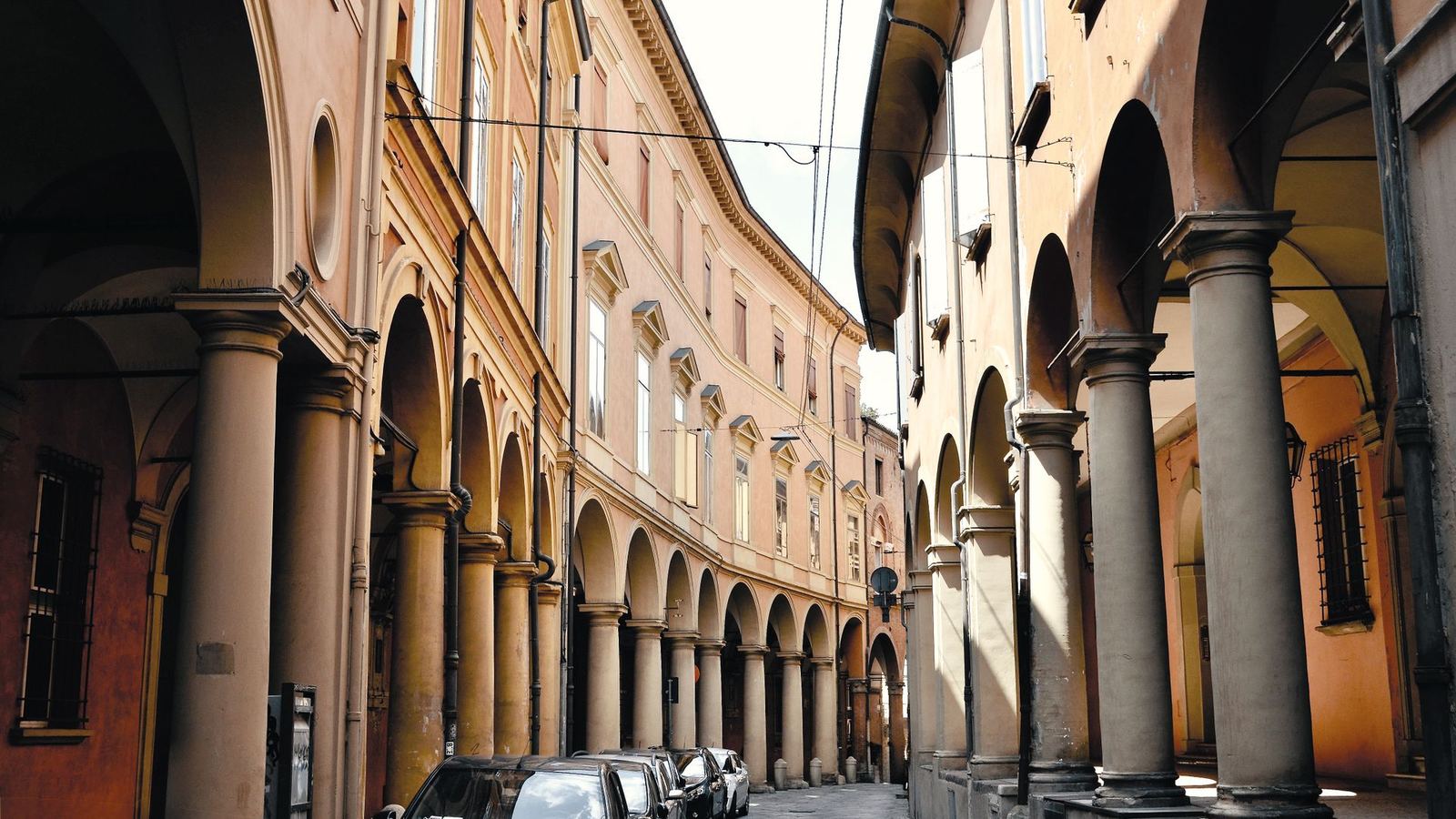
Porticoes along a street in central Bologna
Being mapped now

Bologna for remote workers and students: porticoes, trains, libraries

Bologna is the city where Italy's high-speed lines cross: Milan in about an hour, Florence in forty minutes, Venice in an hour and a half, Rome in two. About 390,000 people live under its UNESCO-listed porticoes, and the oldest university in the Western world fills the centre with students, bookshops and late bars.

Live

Events in Bologna

No public event is scheduled right now. Communities in Bologna publish their meetups, coworking days and trips on dgmads: check back soon.

Organising something in Bologna? Send us your events at info@dgmads.com or on Instagram @dgmads_official and we will publish them.

info@dgmads.comInstagram @dgmads_official

Community

Communities in Bologna on dgmads

Besides dgmads, no community in Bologna has a dgmads page yet. Running one? With the dgmads Community plan you get a public events page with sign-ups.

Open your community page

About the city

Bologna in 30 seconds

  • About 390,000 people, the oldest university in the Western world and a centre you can cross on foot under the porticoes.
  • Where Italy's high-speed lines meet: Milan about an hour away, Florence about 40 minutes.
  • Free desks at the Salaborsa library on Piazza Maggiore, cafés in the university quarter and the Pratello.
  • Rent is the hard part: rooms are scarce because of student demand, so start looking well ahead.
  • A big Erasmus and student scene; the dgmads team is listing venues across the city now.
ClimateHot humid summers, foggy winters
Cost of livingModerate to high, rent is tight
InternetFibre standard in the centre
AirportBLQ, monorail to the station
TrainsMilan ~1 h, Florence ~40 min
StudentsUniversità di Bologna, since 1088

Where to work

Remote work in Bologna

Bologna is the city where Italy's high-speed lines cross: Milan in about an hour, Florence in forty minutes, Venice in an hour and a half, Rome in two. About 390,000 people live under its UNESCO-listed porticoes, and the oldest university in the Western world fills the centre with students, bookshops and late bars. Living costs are moderate-to-high for Italy, with rent inflated by student demand, while food, famously, is excellent at every price point.

Marconi airport (BLQ) sits fifteen minutes from the station by monorail and covers most of Europe. Fibre is standard across the centre and the Bolognina district behind the station, where many newer flats and venues are. The climate is continental, with hot, sticky summers and cold, foggy winters, and the hills start right behind San Luca for a quick escape. The vibe is left-leaning, talkative and welcoming, with a long tradition of taking in students and outsiders.

Bologna's working life runs along its porticoes. The Biblioteca Salaborsa on Piazza Maggiore, a public library inside the old stock exchange, is the free default for students and freelancers alike. The university quarter around Via Zamboni and the Pratello have cafés used to laptops, while Santo Stefano and Saragozza offer calmer, more residential spots. Kilowatt, in the greenhouses of the Giardini Margherita, is a well-known coworking and a pleasant place to spend a day. Bolognina, behind the station, has newer bars and studios. The dgmads team is in Bologna now, listing venues with Wi-Fi, plug and noise notes.

Coworking spaces in Bologna

Coworking in Bologna leans towards the edges of the centre: around the Giardini Margherita, in Bolognina behind the station and elsewhere just outside the old walls. Many host talks and community events as well as desks, and day passes are common. Ask about a quiet room for calls.

Laptop-friendly cafés in Bologna

Under the porticoes a laptop is a familiar sight, especially around Via Zamboni and the Pratello, where students stretch one coffee over a morning of reading. Santo Stefano and Saragozza are calmer. Bars fill up at lunch and aperitivo time, so plan calls for mid-morning or mid-afternoon.

Libraries and quiet places in Bologna

The Salaborsa, inside the former stock exchange on Piazza Maggiore, is free, central and open to everyone. The Archiginnasio library and the Biblioteca Universitaria on Via Zamboni suit longer study; university reading rooms may ask for a student card, so check before you go.

Neighbourhoods

Where to stay in Bologna as a remote worker

1

Zona universitaria / Via Zamboni

The student heart of the city around Piazza Verdi: libraries, cheap eats and late nights. Lively and loud; for people who like a buzz.

2

Santo Stefano

Elegant porticoed streets around the Seven Churches, quieter and more grown-up; good for focused work close to everything.

3

Pratello

One long street of bars and osterie west of the centre, busy in the evening; a friendly base for sociable types.

4

Saragozza

Residential and calm, leading to the San Luca portico; good for runners, families and long stays.

5

Bolognina

North of the station, multicultural and changing, with newer flats, studios and bars; usually better value than the historic core.

6

Murri

Leafy residential area south-east of the centre near the Giardini Margherita; green, quiet and a short bus ride from Piazza Maggiore.

Community

Digital nomads in Bologna

Bologna's international scene is large and student-driven: Erasmus associations, language exchanges in the Pratello bars, political and cultural collectives, tech meetups around the university and a strong food and music calendar from the Cineteca's summer screenings in Piazza Maggiore to club nights in Bolognina. Remote workers slot in easily because the city is used to newcomers. Once mapping is complete, Bologna communities will be able to publish their events on dgmads.

Expats

Expats in Bologna

Bologna's foreign residents are a mix of Erasmus and master's students, researchers, people working in the region's manufacturing and food industries, and a growing group of remote workers drawn by the trains and the cooking. EU citizens register at the Anagrafe after three months; non-EU citizens need a residence permit or the digital nomad visa. Finding a room is the first test, so many arrive on a short let and search on the spot. Once the map is ready, Bologna's groups will be able to post their events on dgmads.

Students

Students in Bologna

The Università di Bologna, founded in 1088, is the reason the city feels young: tens of thousands of students spread across the Via Zamboni quarter, the engineering and science buildings further out, and the Navile and Bolognina areas. Erasmus and international numbers are among the highest in Italy, Piazza Verdi is the social centre, and the Salaborsa plus the departmental libraries along Via Zamboni give plenty of free study seats. Rooms are in short supply, so students book early.

FAQ

Bologna for remote workers: questions

Is Bologna good for digital nomads?

Very much so. It sits where Italy's high-speed lines meet, has fast internet, a young population, a big international crowd and food that makes every lunch an event. The catches are rent, pushed up by students, and a muggy summer. Spring and autumn are the most pleasant seasons.

Where can I work from in Bologna?

The Salaborsa library on Piazza Maggiore for free, quiet desks; cafés around Via Zamboni and the Pratello; Kilowatt in the Giardini Margherita for a proper coworking day; and the newer bars of Bolognina. The dgmads team is mapping Bologna now, so venue notes on Wi-Fi, plugs and noise are being added weekly.

Is there a nomad community in Bologna?

Yes, folded into a huge student and Erasmus scene. Language exchanges, tech meetups near the university, Cineteca screenings and Bolognina club nights are where people meet. When mapping is complete, Bologna communities will be able to publish their events on dgmads, making the week's options visible in one place.

How expensive is Bologna for remote workers?

Moderate-to-high for Italy. Rent is the problem, with rooms scarce and priced by student demand, especially near Via Zamboni. Eating and drinking are reasonable for the quality, public transport is cheap and most of the centre is walkable under the porticoes. Bolognina and Murri offer better value than the historic core.

Where should I stay in Bologna as a remote worker?

Santo Stefano and Saragozza for calm streets inside the centre, Murri for green and quiet, Bolognina for value and a mixed, changing neighbourhood. The university quarter is fun but noisy at night. Start looking early: rooms go fast before each semester.

How do I get to Bologna by train or plane?

Bologna Centrale is a hub of Italy's high-speed network, with direct trains to Milan, Florence, Rome, Venice and Naples. From Marconi airport (BLQ), the Marconi Express monorail reaches the central station in a few minutes.

Is the internet good in Bologna, and which SIM should I get?

Fibre is standard across the centre and in newer buildings, and all the major Italian operators cover the city well. To buy a SIM you need an ID document and usually a codice fiscale; prepaid plans with plenty of data are the norm. Test a flat's line before you sign.

Is Bologna a good choice for international students?

Yes. The Università di Bologna is one of Italy's main destinations for Erasmus and international degree students, with many programmes taught in English. Study seats are easy to find, everyday life is manageable apart from rent, and the city is compact enough to cycle everywhere.

Work from Bologna with dgmads

Our team is mapping Bologna right now. Join the Beta and be there when it opens.

Join the beta

More cities in Italy

dgmads is for

Get the dgmads app to find nomads, places and events near you.

© 2026 dgmads · All rights reserved

Share