dgmads
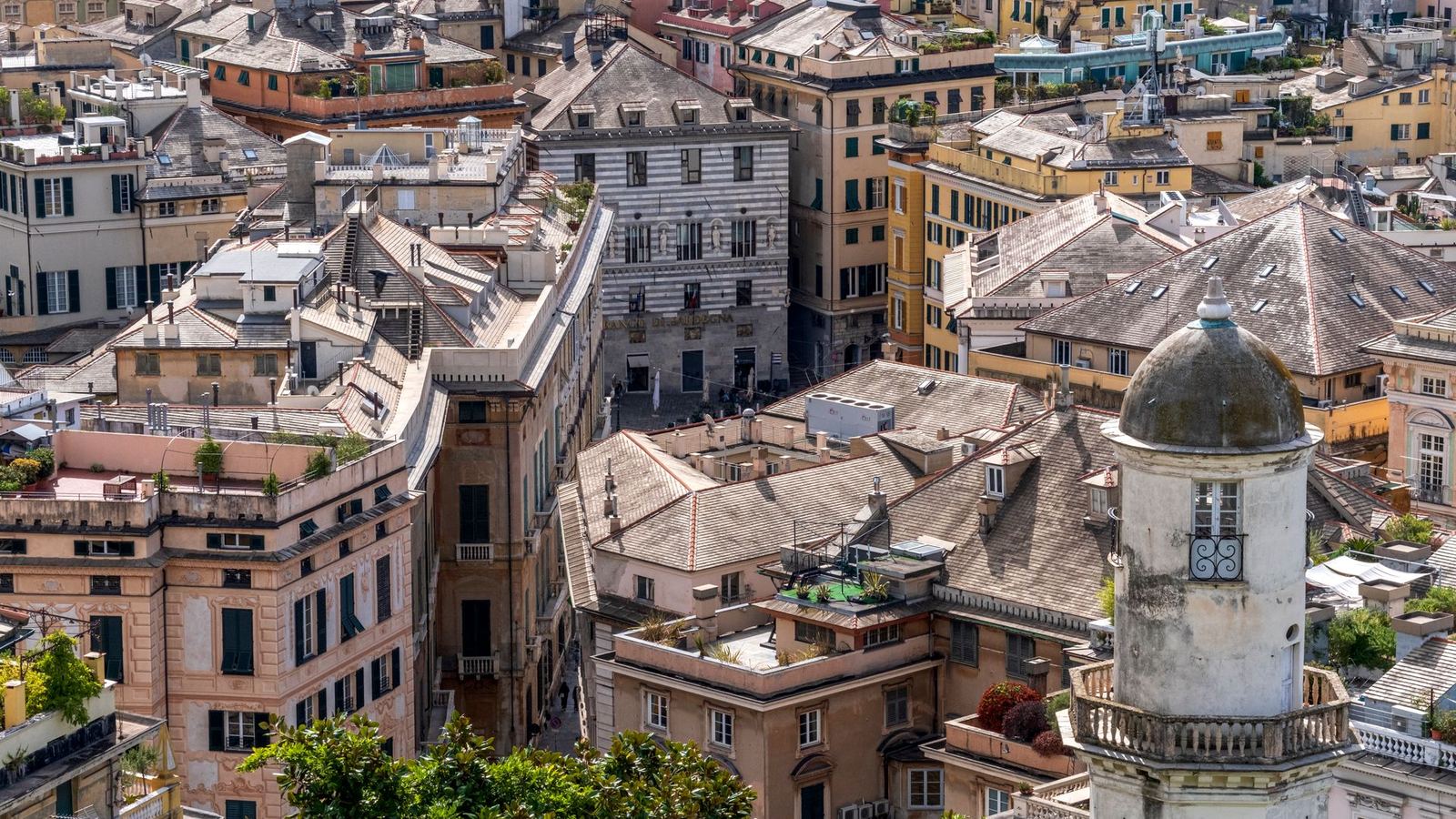
Rooftops of Genoa's historic centre
Being mapped now

Genoa for digital nomads: a port city of lanes, lifts and sea

Genoa is the big Italian city that nobody plans to move to and plenty of people end up loving. About 560,000 residents live stacked up a steep amphitheatre of hills above the port, connected by lifts, funiculars and the largest medieval old town in Europe, a maze of caruggi that is noisy, scruffy and full of life.

Live

Events in Genoa

No public event is scheduled right now. Communities in Genoa publish their meetups, coworking days and trips on dgmads: check back soon.

Organising something in Genoa? Send us your events at info@dgmads.com or on Instagram @dgmads_official and we will publish them.

info@dgmads.comInstagram @dgmads_official

Community

Communities in Genoa on dgmads

Besides dgmads, no community in Genoa has a dgmads page yet. Running one? With the dgmads Community plan you get a public events page with sign-ups.

Open your community page

About the city

Genoa in 30 seconds

  • About 560,000 people on steep hills above the port, with a vast medieval old town and the sea within reach.
  • Low costs for a big northern Italian city: rent, food and transport all stay reasonable.
  • Work from waterfront cafés at the Porto Antico, small bars in the caruggi or the Biblioteca Berio.
  • Airport GOA is about 20 minutes away; trains run to Milan, Turin and all along the Riviera.
  • The nomad scene is young and informal; the dgmads team is mapping venues across the city now.
ClimateMild winters, humid summers
Cost of livingLow for northern Italy
InternetGood fibre in the centre
AirportGOA, ~20 min from the centre
SeaBoccadasse and Nervi nearby
Getting aroundLifts, funiculars, metro, buses

Where to work

Remote work in Genoa

Genoa is the big Italian city that nobody plans to move to and plenty of people end up loving. About 560,000 residents live stacked up a steep amphitheatre of hills above the port, connected by lifts, funiculars and the largest medieval old town in Europe, a maze of caruggi that is noisy, scruffy and full of life. Winters are mild, summers humid, and the sea is right there: Boccadasse is a bus ride from the centre, Nervi a short train.

For a city this size, costs are low, well under Milan or Florence, and that applies to rent, focaccia and espresso alike. Cristoforo Colombo airport (GOA) is twenty minutes from the centre with a decent European network, and trains reach Milan in about an hour and a half and Turin in two. Fibre coverage is good in the centre and the eastern districts. Genoa is gritty and proud rather than polished, which is exactly why remote workers tired of showcase cities tend to stay.

Genoese remote workers spread out by mood. The Porto Antico and the Darsena, redesigned by Renzo Piano, have the bright waterfront cafés and the university's economics campus; the caruggi around Via Garibaldi and Piazza De Ferrari hide tiny bars where a laptop is fine before lunch; and the Biblioteca Berio, steps from De Ferrari, is the city's main free study space. Carignano and Castelletto, up the hill, are quieter, with cafés and sea views. The dgmads team is in Genoa now, listing venues with notes on Wi-Fi, plugs and how long you can stay.

Coworking spaces in Genoa

Coworking spaces in Genoa are spread out rather than clustered: look around the Porto Antico, the office streets near Brignole station and the residential districts to the east. Day passes are common; check the route on foot first, because a short distance on the map can mean a steep climb.

Laptop-friendly cafés in Genoa

Small bars in the caruggi are fine for a laptop before lunch, then fill with locals. Waterfront cafés at the Porto Antico have more space and light, while Castelletto and Carignano offer calmer tables with views. Focaccia dipped in cappuccino is the local morning ritual.

Libraries and quiet places in Genoa

The Biblioteca Berio, a few steps from Piazza De Ferrari, is the main civic library: free, quiet and open to all. The Biblioteca Universitaria on Via Balbi serves students and researchers; bring ID and check opening hours before planning a full day there.

Neighbourhoods

Where to stay in Genoa as a remote worker

1

Centro storico / caruggi

A maze of narrow lanes, bars and workshops between the port and Via Garibaldi. Full of life and noise; great for city energy, less so for light sleepers.

2

Porto Antico

The redeveloped waterfront with the aquarium, cafés and the university's economics campus at the Darsena. Bright and open, busy with visitors at weekends.

3

Castelletto

A residential hill above the old town, reached by public lifts, with a panoramic belvedere and quieter streets. Suits people who want calm and views.

4

Carignano

An elegant, slightly raised district between the old town and the Foce, around its basilica; residential and peaceful.

5

Albaro

Smart and green, close to the sea and the Valletta Puggia science campus; pricier and quiet, good for long stays.

6

Foce

Flat and practical between the seafront, the trade fair grounds and Brignole station; easy for daily life and evening walks by the sea.

Community

Digital nomads in Genoa

Genoa's international life is less organised than Milan's and more spontaneous: Erasmus nights in the caruggi, researchers from the IIT, sailors and port people, language exchanges and a growing cluster of remote workers who settled for the sea and the prices. The Salone Nautico in September and the Porto Antico summer programme are the big shared moments. Once mapping is complete, Genoa communities will be able to publish their events on dgmads.

Expats

Expats in Genoa

Genoa has always been a port of arrivals, and its international residents now include researchers at the Istituto Italiano di Tecnologia, Erasmus students, people in shipping and logistics, and a handful of remote workers who came for the sea and the prices. EU citizens register at the Anagrafe after three months; non-EU citizens need a permit or the digital nomad visa. A codice fiscale and an Italian SIM come first. When mapping ends, Genoa's groups will be able to share their events on dgmads.

Students

Students in Genoa

The Università di Genova is scattered across the city: humanities and languages on Via Balbi near Piazza Principe, economics at the Darsena and sciences up at Valletta Puggia, above Albaro. The Istituto Italiano di Tecnologia adds an international research crowd. Students live between Via Balbi, the caruggi, Castelletto and Albaro, Erasmus numbers are solid, and the Berio library and departmental reading rooms offer free seats.

FAQ

Genoa for remote workers: questions

Is Genoa good for digital nomads?

Yes, if you want a real, affordable big city on the sea rather than a postcard. Internet is good, winters are mild, the old town never sleeps and the Riviera is on the doorstep. The hills and the chaos put some people off, and the nomad scene is still forming, so expect to build your own routine.

Where can I work from in Genoa?

The Porto Antico waterfront cafés, small bars in the caruggi before lunch, the Biblioteca Berio near De Ferrari for free silence, and the quieter cafés of Castelletto and Carignano. The dgmads team is mapping Genoa venues right now, adding Wi-Fi, plug and noise notes as each one is checked.

Is there a nomad community in Genoa?

A loose and growing one, mixed with Erasmus students, IIT researchers and sailing people. Language exchanges and the Porto Antico summer events are the usual meeting points. When mapping is complete, Genoa communities will be able to publish their events on dgmads, which should make them much easier to find.

How expensive is Genoa for remote workers?

Cheap for a northern Italian city of its size. Rent in the old town, Castelletto or Sampierdarena is far below Milan, and street food like focaccia and farinata keeps lunch costs tiny. Albaro and the seafront cost more. Public transport, including lifts and funiculars, is inexpensive.

How do I get around Genoa's hills without a car?

Public lifts and funiculars climb from the centre to Castelletto and Righi, the metro line runs through the centre to Brignole, and buses and local trains cover the long coastal strip. Most of the centre is walkable, but be ready for stairs and steep lanes.

How do I get from Genoa airport to the city centre?

The Volabus shuttle links Cristoforo Colombo airport (GOA) with Principe and Brignole stations, and a taxi takes about 20 minutes to the centre outside rush hour. From Principe and Brignole, trains head along the Riviera and to Milan and Turin.

When is a good time to live in Genoa as a remote worker?

May, June and September bring warm sea, long evenings and fewer crowds than August. Winters are mild for northern Italy, with rainy spells in autumn, so the city works year-round. Summer is humid, but the beaches at Boccadasse and Nervi are a short ride away.

Do I need a visa to work remotely from Genoa?

EU and EEA citizens can live and work in Genoa freely. Non-EU remote workers have Italy's digital nomad visa, available since 2024 to qualified professionals with income from abroad, health insurance and somewhere to live. Requirements are updated regularly, so check them with the Italian consulate in your country.

Work from Genoa with dgmads

Our team is mapping Genoa right now. Join the Beta and be there when it opens.

Join the beta

More cities in Italy

dgmads is for

Get the dgmads app to find nomads, places and events near you.

© 2026 dgmads · All rights reserved

Share