dgmads
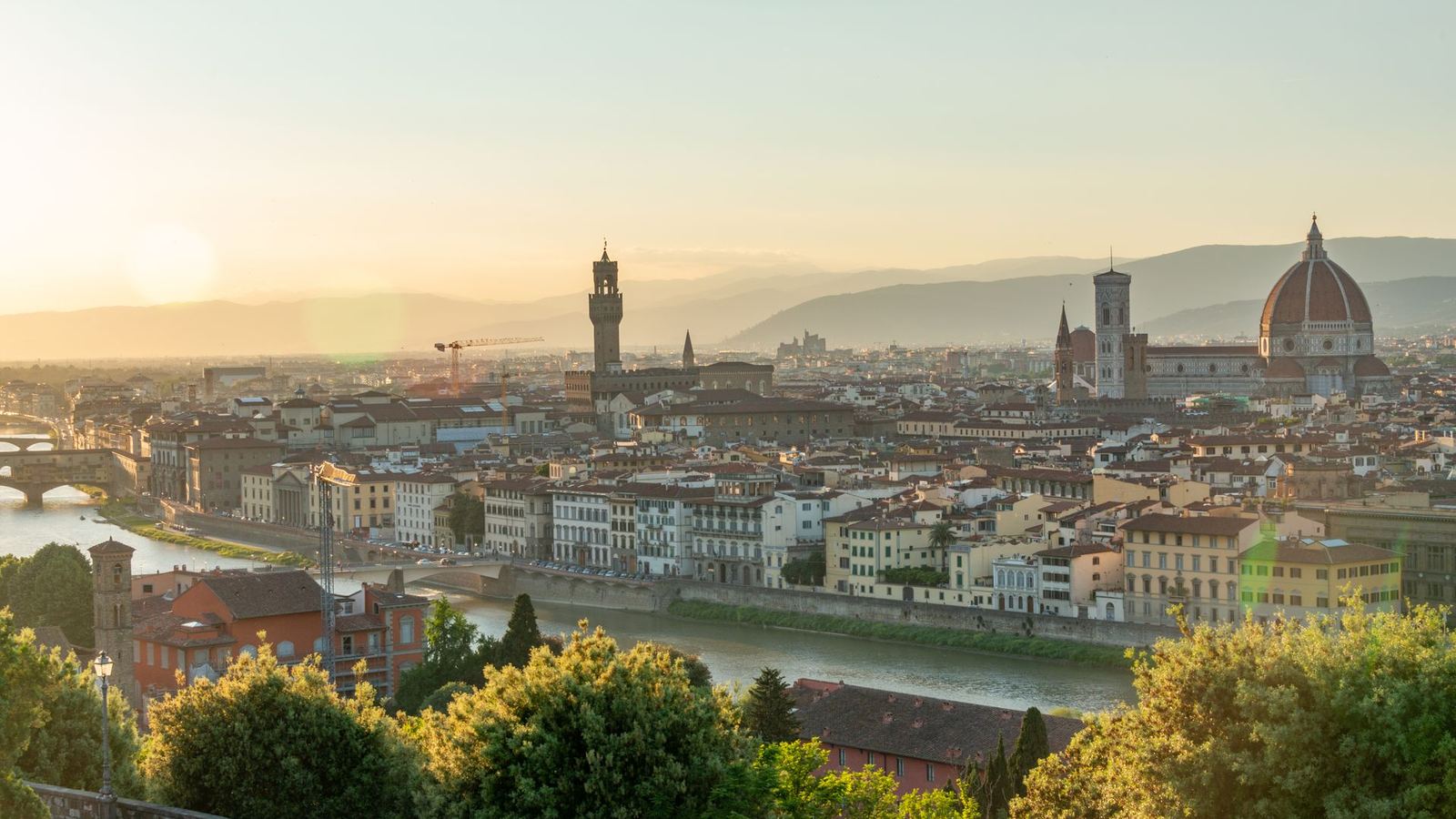
Florence at sunset with the Duomo, Palazzo Vecchio and the Arno
Being mapped now

Florence for digital nomads: living and working beyond the Duomo

Florence needs no introduction as a city, but as a place to work from it deserves an honest one. About 360,000 people live here, and the Renaissance core is shared with a huge tourist flow for most of the year, which makes the streets between the Duomo and Ponte Vecchio expensive, crowded and short on seats.

Live

Events in Florence

No public event is scheduled right now. Communities in Florence publish their meetups, coworking days and trips on dgmads: check back soon.

Organising something in Florence? Send us your events at info@dgmads.com or on Instagram @dgmads_official and we will publish them.

info@dgmads.comInstagram @dgmads_official

Community

Communities in Florence on dgmads

Besides dgmads, no community in Florence has a dgmads page yet. Running one? With the dgmads Community plan you get a public events page with sign-ups.

Open your community page

About the city

Florence in 30 seconds

  • About 360,000 people and a crowded tourist core: live and work in the Oltrarno, Sant'Ambrogio or Le Cure instead.
  • Pricey for Italy, mostly because of rent; markets and a walkable centre keep daily costs in check.
  • Free study space at the Biblioteca delle Oblate, cafés around Santo Spirito, coworking towards Novoli.
  • Peretola airport (FLR) is on tram line T2, Pisa (PSA) about an hour away; fast trains to Bologna and Rome.
  • A large English-speaking crowd of students, academics and creatives; the dgmads team is mapping venues now.
ClimateHot summers, mild damp winters
Cost of livingHigh for Italy, rent above all
InternetFibre standard in flats and cafés
AirportFLR by tram, PSA ~1 h by train
TrainsBologna ~40 min, Rome ~1 h 30
LanguageItalian; lots of English in the centre

Where to work

Remote work in Florence

Florence needs no introduction as a city, but as a place to work from it deserves an honest one. About 360,000 people live here, and the Renaissance core is shared with a huge tourist flow for most of the year, which makes the streets between the Duomo and Ponte Vecchio expensive, crowded and short on seats. Step across the Arno into the Oltrarno, or east to Sant'Ambrogio, and you find the neighbourhoods where Florentines, students and long-stay remote workers actually live.

Costs are high for Tuscany, below Milan but above most Italian cities, with rent the main pressure. Summers are very hot, winters mild and damp. Connectivity is a strong point: Peretola airport (FLR) is twenty minutes from the centre, Pisa (PSA) an hour by train, and high-speed trains from Santa Maria Novella reach Bologna in about forty minutes, Rome in an hour and a half. Fibre is standard in flats and most cafés. The vibe is artistic, international and, outside the tourist strip, surprisingly neighbourly.

In Florence the working map follows the locals. The Oltrarno, around Piazza Santo Spirito and San Frediano, has cafés and small studios where a laptop is normal on weekday mornings; Sant'Ambrogio does the same on the other side of town. The Biblioteca delle Oblate, a former convent a block from the Duomo with a terrace facing the dome, is the free study space everyone recommends. Towards Rifredi and Novoli, near the university campus, a few coworking spaces including Impact Hub Firenze serve local freelancers. The dgmads team is visiting Florence now, listing venues with Wi-Fi, plug and noise notes.

Coworking spaces in Florence

Coworking spaces sit mostly outside the historic core: towards Rifredi and Novoli near the university campus, with a few smaller spaces in other residential districts. Expect day passes and monthly desks; in July and August ask about air conditioning before you commit.

Laptop-friendly cafés in Florence

Around the Duomo and Ponte Vecchio, tables are for tourists and laptops are unwelcome. Cross the river: bars around Piazza Santo Spirito and San Frediano, and the streets by the Sant'Ambrogio market, are used to people working on weekday mornings. Order regularly and avoid the lunch rush.

Libraries and quiet places in Florence

The Biblioteca delle Oblate, in a former convent near the Duomo, is free and has a café terrace facing the dome. The Biblioteca Nazionale Centrale beside Santa Croce suits research and long study sessions; bring ID and check its registration rules.

Neighbourhoods

Where to stay in Florence as a remote worker

1

Oltrarno / Santo Spirito

Artisan workshops, a lively square and cafés where locals linger. Busy on summer evenings; suits people who want to walk everywhere.

2

San Frediano

The western Oltrarno, a little rougher and more residential, with bars, small studios and a younger crowd.

3

Sant'Ambrogio

Built around its covered food market east of the Duomo: everyday shops, neighbourhood cafés and a strong local feel.

4

San Niccolò

A quiet strip below Piazzale Michelangelo with a few bars and steep walks; for those who want calm close to the centre.

5

Le Cure

Residential district north of the centre with its own morning market; calmer and barely touristy, a short bus or bike ride away.

6

Campo di Marte

Around the stadium and its railway station: wider streets and family life, practical for long stays and regional trains.

Community

Digital nomads in Florence

Florence has one of the largest English-speaking communities in Italy, made of study-abroad students, art restorers, academics and remote workers who came for a semester and stayed years. Meetups happen in the Oltrarno bars, at language exchanges, aperitivo groups and the many cultural openings, and the summer brings open-air cinema and festivals along the Arno. Once mapping is complete, Florence communities will be able to publish their events on dgmads.

Expats

Expats in Florence

Florence has drawn foreigners for centuries, and today its international community mixes study-abroad students, art historians, restorers, fashion people and remote workers who arrived for a season and stayed. EU citizens can register residence at the Anagrafe after three months; non-EU citizens need a permit or Italy's digital nomad visa. The codice fiscale comes first, then a local SIM, a bank account and a lease. English-language bookshops and associations help newcomers settle, and once mapping is done Florence groups will be able to publish their events on dgmads.

Students

Students in Florence

The Università di Firenze has its humanities faculties in the centre near Piazza Brunelleschi, social sciences at the Novoli campus and the science departments at Sesto Fiorentino, while Polimoda and the art academies add fashion and design students. Florence also hosts dozens of American university programmes, so English-speaking students are everywhere. Student life concentrates in the Oltrarno, Sant'Ambrogio and around Piazza Santissima Annunziata, with the Oblate and the Biblioteca Nazionale as the main study halls.

FAQ

Florence for remote workers: questions

Is Florence good for digital nomads?

Yes, with a caveat: live and work outside the tourist core. The Oltrarno and Sant'Ambrogio give you a real neighbourhood, good internet, a huge international community and fast trains to the rest of Italy. Rent is high for the country and summers are brutally hot, so many people favour autumn and spring stays.

Where can I work from in Florence?

Cafés around Santo Spirito, San Frediano and Sant'Ambrogio, the Biblioteca delle Oblate near the Duomo for free study space, and coworking spaces such as Impact Hub towards Novoli. The dgmads team is mapping Florence venues now, adding Wi-Fi, plug and noise notes as each is checked.

Is there a nomad community in Florence?

A big international one, though skewed towards students and academics rather than nomads specifically. Language exchanges, aperitivo groups and cultural openings are easy entry points. When mapping is complete, Florence communities will be able to publish their events on dgmads, so the calendar becomes visible in one place.

How expensive is Florence for remote workers?

Expensive for Italy outside Milan, mainly because of rent and short-term lets in the centre. Living in Le Cure, Campo di Marte or San Frediano brings costs down, markets like Sant'Ambrogio keep food affordable, and the city is walkable, so transport is cheap. Coworking is mid-priced.

Which neighbourhoods in Florence suit remote workers?

The Oltrarno and San Frediano for cafés and street life, Sant'Ambrogio for a village feel around the market, Le Cure and Campo di Marte for quieter streets and somewhat lower rents. Avoid flats on the tourist routes between the Duomo and Ponte Vecchio: noisy and full of short lets.

How do I get from Florence airport to the city centre?

Tram line T2 runs from Peretola airport (FLR) to Piazza dell'Unità, next to Santa Maria Novella station, in about twenty minutes. From Pisa airport (PSA), the PisaMover shuttle reaches Pisa Centrale, where regional trains to Florence take about an hour.

Do I need a visa to work remotely from Florence?

Not with an EU passport. Non-EU remote workers can apply for Italy's digital nomad visa, introduced in 2024 for qualified professionals working for employers or clients abroad; it asks for a minimum income, health insurance and accommodation. Rules change often, so confirm with the consulate.

When is a good time to work remotely from Florence?

October to early December and March to May bring mild days and a more manageable city, though Easter and spring weekends are crowded. July and August are very hot and humid, and many Florentines leave in August. Winter is damp but calm.

Work from Florence with dgmads

Our team is mapping Florence right now. Join the Beta and be there when it opens.

Join the beta

More cities in Italy

dgmads is for

Get the dgmads app to find nomads, places and events near you.

© 2026 dgmads · All rights reserved

Share