dgmads
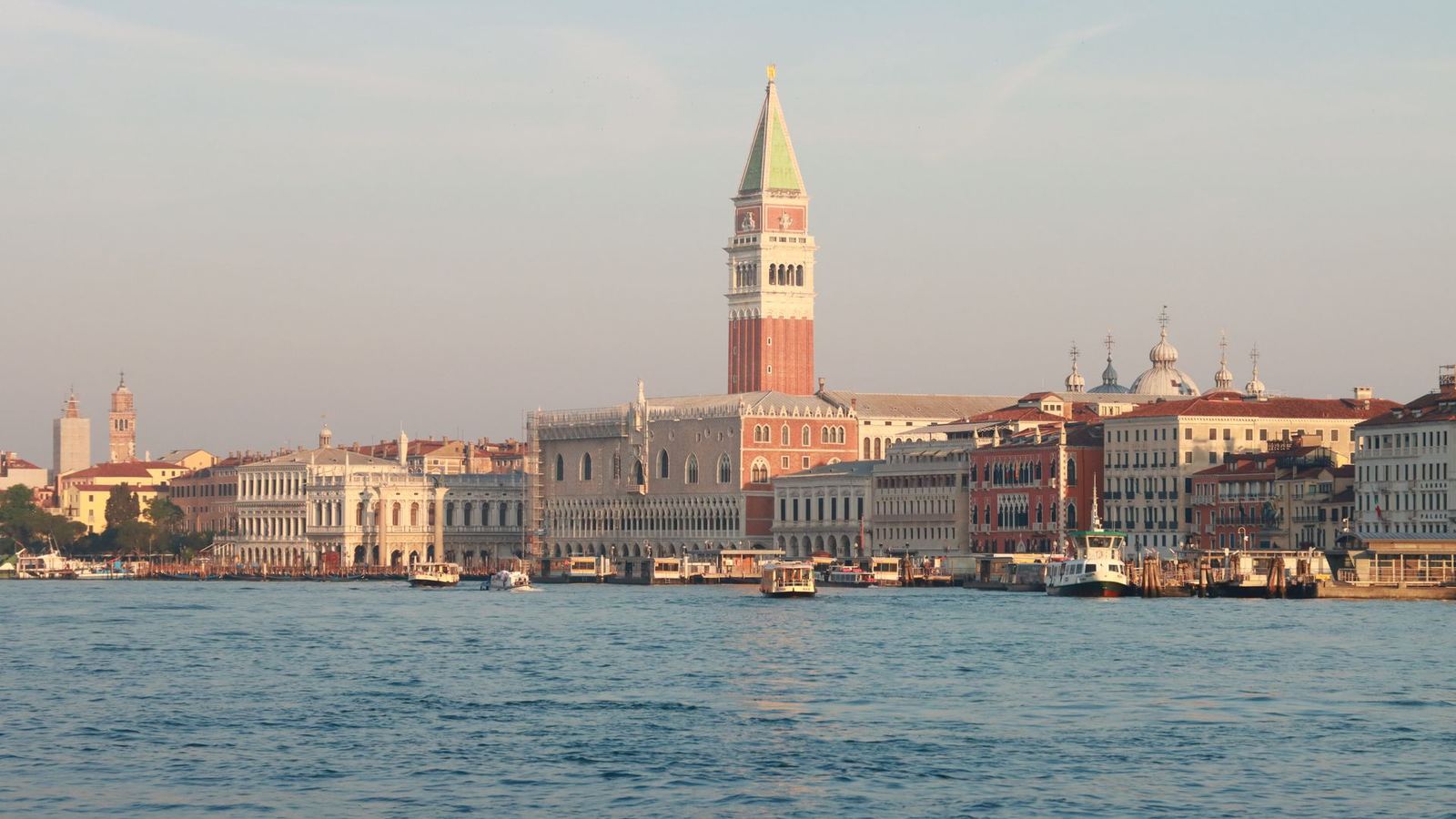
St Mark's bell tower and the Doge's Palace across the water, Venice
Being mapped now

Venice and Mestre for digital nomads, remote workers and students

Venice is two very different places under one municipality of about 250,000 people: the historic islands, where roughly 50,000 residents share the streets with millions of visitors, and Mestre on the mainland, where most Venetians now live. For a remote worker the honest advice is to treat Mestre as the practical base, with ordinary rents and supermarkets, and the historic centre as a ten-minute train or bus ride away for mornings in Cannaregio or Dorsoduro.

Live

Events in Venice

No public event is scheduled right now. Communities in Venice publish their meetups, coworking days and trips on dgmads: check back soon.

Organising something in Venice? Send us your events at info@dgmads.com or on Instagram @dgmads_official and we will publish them.

info@dgmads.comInstagram @dgmads_official

Community

Communities in Venice on dgmads

Besides dgmads, no community in Venice has a dgmads page yet. Running one? With the dgmads Community plan you get a public events page with sign-ups.

Open your community page

About the city

Venice in 30 seconds

  • One municipality, two worlds: the historic islands (about 50,000 residents) and Mestre on the mainland.
  • The islands are costly and crowded; Mestre has ordinary rents and is about ten minutes away by train.
  • Work in Dorsoduro and Cannaregio near the universities, or in Mestre's everyday bars and coworking spaces.
  • Marco Polo (VCE) and Treviso (TSF) airports; Padua about 25 minutes and Bologna under two hours by train.
  • A student and art-world scene around Ca' Foscari, IUAV and the Biennale; the dgmads team is mapping both sides now.
ClimateHumid; autumn high water
Cost of livingHigh on the islands, fair in Mestre
InternetFibre in Mestre, growing on islands
AirportVCE by bus or boat, plus TSF
Getting aroundWater buses, trains, tram to Mestre
StudentsCa' Foscari and IUAV

Where to work

Remote work in Venice

Venice is two very different places under one municipality of about 250,000 people: the historic islands, where roughly 50,000 residents share the streets with millions of visitors, and Mestre on the mainland, where most Venetians now live. For a remote worker the honest advice is to treat Mestre as the practical base, with ordinary rents and supermarkets, and the historic centre as a ten-minute train or bus ride away for mornings in Cannaregio or Dorsoduro.

The lagoon is expensive, humid and occasionally flooded in autumn, but it is also absurdly well connected: Marco Polo airport (VCE) and Treviso (TSF) cover most of Europe, Padua is twenty-five minutes by train and Bologna under two hours. Fibre is standard in Mestre and increasingly common in the centre. The vibe, once you leave the Rialto crowds, is quiet, slow and student-led, with two universities keeping the back canals of Dorsoduro alive after dark.

In the historic centre, remote workers gravitate to Dorsoduro and Cannaregio, where the Ca' Foscari crowd keeps cafés tolerant of long laptop sessions and the university libraries offer quiet desks. Castello, towards the Giardini, is calmer still. Around San Marco and Rialto almost nothing is workable: tourist prices and no seats. In Mestre, the centre around Piazza Ferretto and the streets near the station have everyday bars and a few coworking spaces where mainland Venetians actually work. The dgmads team is visiting both sides of the bridge right now, listing venues with notes on Wi-Fi, plugs and laptop tolerance.

Coworking spaces in Venice

Coworking on the islands is scarce and mostly tied to creative or academic networks. Mestre is more practical: a few spaces around the centre and near the station serve mainland freelancers, with day passes and simple desks. If you live on the islands, the train or tram commute is short.

Laptop-friendly cafés in Venice

Skip San Marco and Rialto, where seats are few and priced for visitors. In Dorsoduro around Campo Santa Margherita, and in Cannaregio along the Fondamenta della Misericordia, student bars tolerate a laptop in quiet hours. In Mestre, bars near Piazza Ferretto work like anywhere in Italy: order, sit, stay a while.

Libraries and quiet places in Venice

The Fondazione Querini Stampalia in Castello has a public library much used by students. The Biblioteca Nazionale Marciana on the Piazzetta San Marco is a research library and requires registration. Ca' Foscari and IUAV libraries mainly serve their own students; check access rules before you go.

Neighbourhoods

Where to stay in Venice as a remote worker

1

Dorsoduro

Home of Ca' Foscari and Campo Santa Margherita: students, galleries and evening life away from the main crowds. Lively but liveable.

2

Cannaregio

The northern sestiere, with long fondamenta, the old Ghetto and real residents; close to the station and good for longer stays.

3

Castello

The eastern end towards the Giardini and the Arsenale: washing lines, local bacari and Biennale venues. One of the calmer parts of the islands.

4

Santa Croce

Next to Piazzale Roma and the IUAV architecture school; practical for getting on and off the islands, with quiet corners inside.

5

Mestre centro

The mainland centre around Piazza Ferretto: ordinary shops, everyday bars, normal rents and a short tram or train ride to the islands.

6

Marghera

South of Mestre station, residential and plain, with lower rents and quick trains; suits people who want a budget base.

Community

Digital nomads in Venice

Venice's international life is dominated by students, art-world people around the Biennale and a small set of remote workers who accept the cost for the setting. Meetups happen in Campo Santa Margherita, at Erasmus nights, around the Biennale openings and, more practically, in Mestre's bars. Once mapping is complete, communities on both the islands and the mainland will be able to publish their events on dgmads, so a scene that is currently scattered becomes easier to join.

Expats

Expats in Venice

Venice's foreigners are a varied lot: Ca' Foscari and IUAV students, artists and curators who come with the Biennale, academics, and remote workers who accept the logistics in exchange for the setting. EU citizens register at the Anagrafe after three months; non-EU citizens need a permit or the digital nomad visa. Many newcomers live in Mestre and commute to the islands, learning the vaporetto lines before the Italian. Once mapping is complete, groups on both sides of the lagoon will be able to publish their events on dgmads.

Students

Students in Venice

Two universities shape student Venice: Ca' Foscari, with its main seat on the Grand Canal in Dorsoduro and the economics campus at San Giobbe in Cannaregio, and IUAV, the architecture and design school around the Tolentini in Santa Croce. Both attract a large international and Erasmus intake, so Dorsoduro, Cannaregio and the Campo Santa Margherita area work as the student quarter, with university libraries open long hours and cheaper rooms on the Mestre side of the bridge.

FAQ

Venice for remote workers: questions

Is Venice good for digital nomads?

For a short, special stay, yes; for months, only if you base yourself in Mestre or a quiet sestiere like Castello. The historic centre is costly, crowded and short on seats, while Mestre gives you normal rents, fibre and the islands ten minutes away. Connections to the rest of Europe are excellent.

Where can I work from in Venice?

Dorsoduro and Cannaregio, where the Ca' Foscari crowd keeps cafés laptop-friendly and university libraries are quiet; Castello for calm; and Mestre's centre near Piazza Ferretto for everyday bars and coworking. The dgmads team is mapping these venues now, so the list is still growing.

Is there a nomad community in Venice?

A loose one, mostly students, Biennale people and a few long-stay remote workers. Erasmus nights and Campo Santa Margherita are the usual meeting points. When mapping is complete, Venice and Mestre communities will be able to publish their events on dgmads, which should pull the scene together.

How expensive is Venice for remote workers?

The historic centre is among the most expensive places to rent in Italy, and groceries and coffee near the main sights are priced for tourists. Mestre and Marghera are moderate, like any mid-sized northern Italian city. Most remote workers who stay for months choose the mainland for that reason.

Should I live in Mestre or in the historic centre of Venice?

Mestre if you are staying for months and want normal rents, supermarkets and fibre; the islands are ten minutes away by train or tram. The historic centre suits shorter stays or bigger budgets, and Cannaregio, Castello and Dorsoduro are where residents still live. Everything there happens on foot or by boat.

How do I get from Venice airport to the city?

Buses link Marco Polo airport (VCE) with Piazzale Roma and Mestre station in around 20 to 30 minutes, while Alilaguna water buses go directly to several stops in the historic centre, more slowly. From Treviso (TSF), buses run to Mestre and Piazzale Roma.

What about high water (acqua alta) and the seasons in Venice?

High water mostly comes between October and January; the MOSE barriers now hold back the strongest tides, but low-lying areas around San Marco can still flood. Spring and autumn are pleasant for working, summer is hot and crowded, and winter is quiet, damp and often foggy.

Can non-EU remote workers live in Venice?

Yes, with the right permit. Italy's digital nomad visa, introduced in 2024, covers highly skilled non-EU professionals who work remotely for foreign employers or clients and can show income, health insurance and accommodation. Ask the Italian consulate for the current requirements; EU citizens just register their residence.

Work from Venice with dgmads

Our team is mapping Venice right now. Join the Beta and be there when it opens.

Join the beta

More cities in Italy

dgmads is for

Get the dgmads app to find nomads, places and events near you.

© 2026 dgmads · All rights reserved

Share